
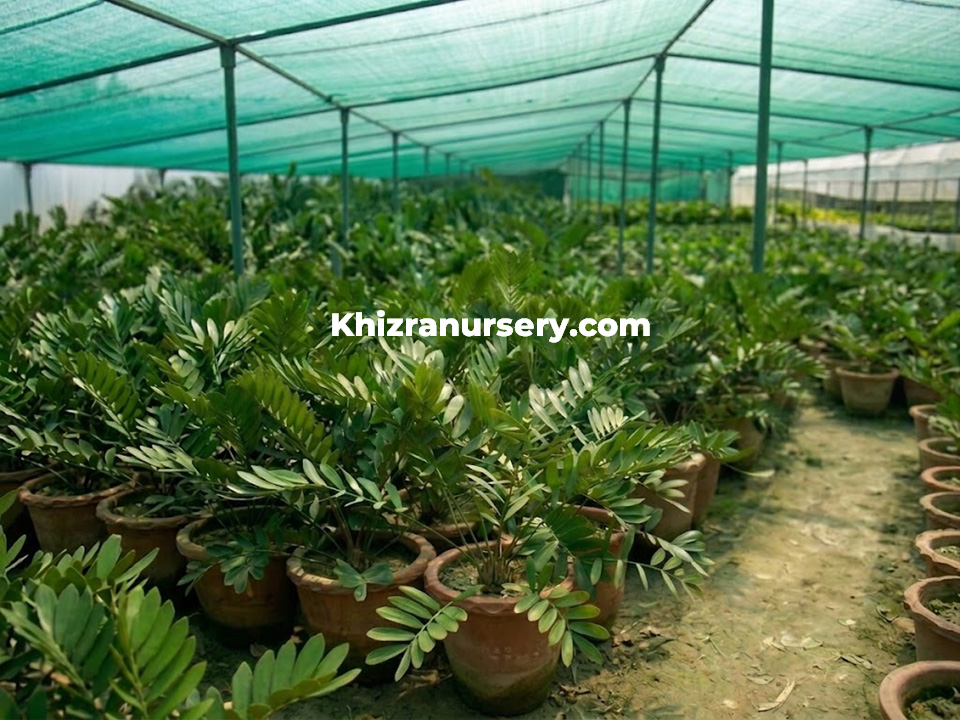
Zamia Furfuracea (Cardboard Palm) Plants For Sale
Zamia furfuracea, commonly known as the Cardboard Palm, is a distinctive evergreen cycad valued for its attractive, tough foliage and unusual architectural form. Despite its common name, it is not a true palm. It belongs to the ancient cycad group and produces a compact crown of thick, leathery, feather-like leaves.
The Cardboard Palm is an excellent choice for tropical and subtropical landscapes, courtyards, patios, rock gardens, and containers. Its durable foliage and relatively slow growth make it useful where a long-lasting, low-maintenance ornamental plant is desired.
Appearance and Growth
Zamia furfuracea develops a short, thick trunk or stem with a rounded crown of pinnate leaves. The leaflets are broad, stiff, and slightly rough in texture, giving the plant its characteristic cardboard-like appearance.
The foliage is usually medium to dark green and remains attractive throughout the year in suitable climates. Mature plants can develop a substantial, sculptural appearance and work particularly well as specimen plants.
Cardboard Palm is generally slow-growing compared with many tropical ornamental plants. Its compact growth habit makes it suitable for both garden planting and large containers.
Growing Zamia Furfuracea
Zamia furfuracea performs best in warm climates with well-drained soil. It can tolerate periods of dryness once established, making it suitable for landscapes where excessive watering is undesirable.
For healthy growth:
- Plant in well-drained soil that does not remain waterlogged.
- Provide bright light or partial shade.
- In hot climates, established plants can tolerate considerable sunlight when properly acclimated.
- Water regularly during establishment, then allow the soil to dry somewhat between watering.
- Avoid excessive irrigation, particularly in poorly drained soil.
- Protect young plants from severe frost and prolonged freezing temperatures.
Light Requirements
Cardboard Palm is adaptable to different light conditions. It can grow in partial shade and can also perform well in brighter locations.
Plants grown in strong sunlight generally need to be acclimated gradually, especially when moved from a shaded nursery environment. Providing good air circulation and avoiding permanently wet soil can also help maintain healthy foliage.
Uses in Landscaping
Zamia furfuracea is highly versatile and can be used in a variety of landscape designs. Its unusual foliage provides texture and contrast among flowering plants, palms, shrubs, and other ornamental species.
It can be planted as:
- A specimen plant
- A patio or container plant
- A tropical landscape accent
- A rock garden plant
- A courtyard feature
- A low-maintenance ornamental
- A foliage plant for warm-climate gardens
Its architectural shape also makes it suitable for modern and minimalist landscape designs.
Zamia Furfuracea Plants for Sale
Khizra Nursery offers Zamia furfuracea plants for sale for landscaping, ornamental planting, and container cultivation. Cardboard Palm plants are suitable for gardeners, landscapers, collectors, and anyone looking to add a distinctive cycad to their plant collection.
Zamia furfuracea is particularly attractive when used as a focal plant because its unusual foliage provides year-round ornamental interest.
Frequently Asked Questions
Is Zamia furfuracea a palm?
No. Although it is commonly called Cardboard Palm, Zamia furfuracea is a cycad, not a true palm.
How much sunlight does Cardboard Palm need?
Zamia furfuracea can grow in partial shade as well as brighter conditions. Plants should be gradually acclimated when moved into strong direct sunlight.
Is Zamia furfuracea evergreen?
Yes. It is an evergreen cycad and can maintain its foliage throughout the year under suitable growing conditions.
Is Cardboard Palm drought tolerant?
Established Zamia furfuracea plants have good tolerance to dry conditions. However, young plants need regular watering while their root systems are developing.
Can Zamia furfuracea be grown in containers?
Yes. Its relatively compact and slow-growing nature makes it suitable for large containers, patios, courtyards, and other spaces where in-ground planting is not possible.
How fast does Zamia furfuracea grow?
It is generally a slow-growing cycad. Its slow growth is one reason it can remain manageable as an ornamental landscape and container plant for many years.
Is Zamia furfuracea suitable for tropical and subtropical landscapes?
Yes. It is particularly well suited to warm tropical and subtropical landscapes and can be used as an architectural foliage plant or specimen cycad.
Reviews
There are no reviews yet.