
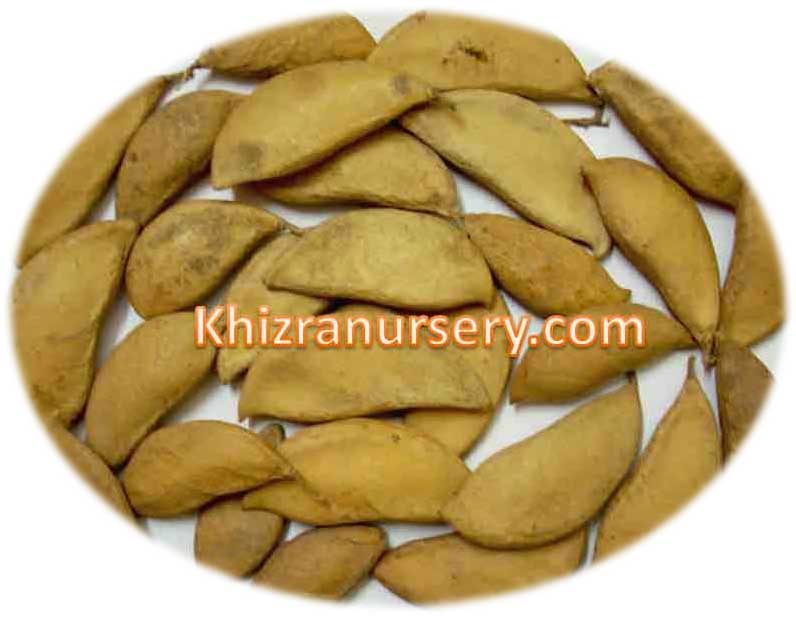
Pongamia Pinnata Seeds for Sale
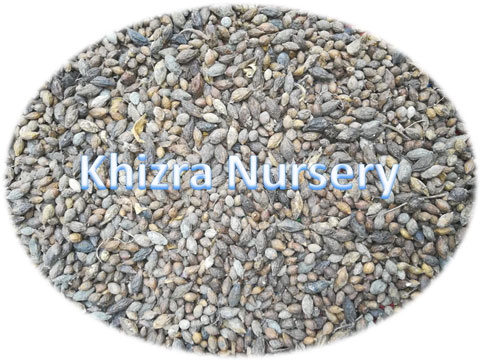
Pongamia pinnata seeds, commonly known as Pongamia Seeds, are used to grow the fast-growing Pongamia tree. The species is widely recognized as Pongam Tree, Indian Beech, and Karanj, and is valued as a versatile tree for suitable tropical and subtropical climates.
Khizra Nursery offers Pongamia Pinnata Seeds for Sale in different quantities for nurseries, growers, landscaping projects, agroforestry, reforestation, and wholesale requirements.
Pongamia is an evergreen or semi-evergreen tree depending on the climate and growing conditions. It develops a broad crown, attractive foliage, fragrant flowers, and distinctive seed pods.
About Pongamia Pinnata
Pongamia pinnata is a leguminous tree belonging to the family Fabaceae. It is native to parts of the Indian subcontinent and other regions of tropical and subtropical Asia and is now cultivated in many warm climates.
The tree is commonly known by several names, including:
- Pongamia
- Pongam Tree
- Indian Beech
- Karanj
- Millettia pinnata
The name Millettia pinnata is a botanical synonym that may still be encountered in horticultural, forestry, and scientific literature.
Pongamia is particularly interesting as a multipurpose tree because of its ability to grow in a range of conditions and its usefulness in landscaping, agroforestry, and other tree-growing projects.
Pongamia Tree Characteristics
The Pongamia tree develops a strong trunk and a broad, spreading crown. Its leaves are compound and generally consist of several rounded or oval leaflets.
The tree produces attractive flowers that may range from pale pink to lavender or purple shades. After flowering, it develops leathery seed pods containing the seeds.
Under favorable conditions, Pongamia can develop into a substantial shade tree, making sufficient space important when selecting a permanent planting location.
Growing Pongamia Pinnata from Seeds
Pongamia pinnata is commonly propagated from seeds.
Pongamia seeds can be started in nursery containers, seed trays, or directly in a suitable planting area where climate and soil conditions are appropriate.
A basic propagation process includes:
- Select clean, healthy seeds.
- Prepare a well-draining growing medium.
- Sow the seeds at a shallow to moderate depth.
- Cover them lightly with soil or growing medium.
- Maintain adequate moisture without waterlogging.
- Provide warmth and suitable light.
- Allow seedlings to establish before transplanting.
- Gradually acclimatize young plants to outdoor conditions.
Germination time can vary according to seed freshness, temperature, moisture, seed preparation, and growing conditions.
How to Germinate Pongamia Seeds
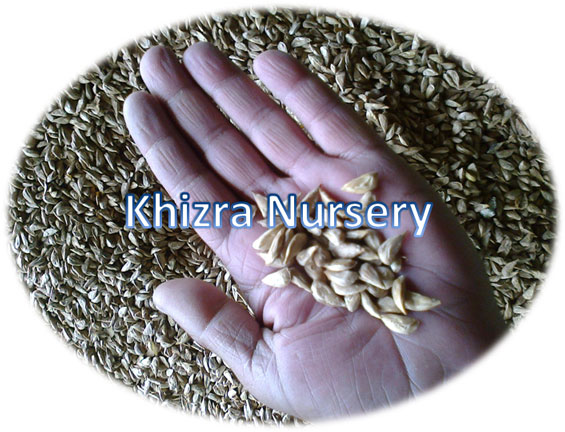
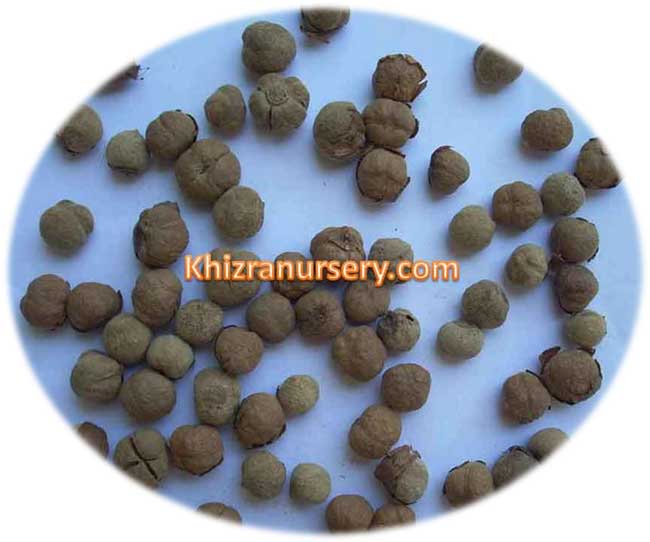
Pongamia seeds are relatively large compared with many other tree seeds and can be sown directly into a suitable propagation medium.
For successful germination:
- Use a clean, well-draining medium.
- Sow seeds individually where possible.
- Keep the medium evenly moist.
- Avoid prolonged waterlogging.
- Provide warm conditions.
- Protect the seed containers from extreme temperature fluctuations.
- Provide good light after seedlings emerge.
Seed pretreatment may be used by growers to improve or speed up germination, depending on the seed lot and propagation method.
For commercial nursery production, growers should test a small batch first and adjust the propagation process according to the observed germination response.
Planting Pongamia Seedlings
Once Pongamia seedlings have developed a healthy root system and sufficient above-ground growth, they can be transplanted into larger containers or prepared planting sites.
Handle seedlings carefully during transplanting and avoid unnecessary root disturbance.
Select a location with sufficient room for the mature tree. Pongamia can develop a broad crown, so adequate spacing is important for long-term landscape and agroforestry use.
Soil Requirements
Pongamia can tolerate a range of soil conditions and is adaptable to different growing environments.
For best establishment, use a well-drained soil with adequate fertility and good root aeration.
The tree can perform in a variety of soil types, but prolonged waterlogging should generally be avoided, particularly while young plants are establishing.
Watering Pongamia Trees
Young Pongamia plants require regular moisture while their root systems are developing.
Water the plants when the soil begins to dry, while allowing excess water to drain away.
Once established, Pongamia can tolerate periods of relatively dry conditions better than many moisture-dependent plants. Water requirements will nevertheless vary according to climate, rainfall, soil type, tree age, and growing conditions.
Sunlight Requirements
Pongamia grows well in sunny conditions.
Provide young plants with adequate sunlight to encourage healthy foliage and strong development.
In nursery production, seedlings should be gradually acclimatized when moving from protected conditions into full outdoor exposure.
Climate for Pongamia Pinnata
Pongamia is well suited to tropical and subtropical climates and can grow in warm regions with suitable moisture and soil conditions.
The species is adaptable and is found in a variety of habitats, including coastal and inland environments.
When cultivating Pongamia outside its natural range, local temperatures, rainfall, soil drainage, and winter conditions should be considered.
Young trees may require protection from unusually cold conditions.
Pongamia Flowers and Seed Pods
Pongamia produces clusters of attractive flowers, often displaying pink, mauve, or purple coloration.
After flowering, the tree develops flat to slightly curved seed pods. These pods mature and contain the seeds used for propagation.
The production of seed pods can vary according to tree age, climate, pollination, and growing conditions.
Pongamia Tree Uses
Pongamia is considered a multipurpose tree and has been cultivated for a variety of purposes.
Common applications include:
- Landscaping
- Shade planting
- Agroforestry
- Reforestation
- Coastal and roadside planting
- Soil and land restoration projects
- Botanical collections
- Nursery production
- Seed production
Its broad crown and attractive flowers can make it useful as an ornamental shade tree in suitable climates.
Pongamia for Landscaping
Pongamia can be used as a shade and ornamental tree in spacious landscapes.
Its compound foliage and attractive flowering make it visually interesting, while its ability to grow in warm climates makes it suitable for a range of tropical and subtropical landscape projects.
Because the tree can become relatively large, it should be planted away from structures and in locations where its mature canopy can develop freely.
Pongamia Seeds for Nurseries
Pongamia tree seeds can be used by nurseries to produce young trees for landscaping, agroforestry, forestry, and other planting projects.
Seeds can be started in individual containers or nursery beds and maintained until seedlings are strong enough for transplanting.
For commercial production, nurseries should maintain suitable moisture, drainage, temperature, and growing conditions throughout the early development stage.
Pongamia Pinnata Seeds for Sale in Bulk
Khizra Nursery offers Pongamia Pinnata Seeds for Sale in different quantities.
Current available quantities include:
50 Seeds, 10Kg, 20Kg, 100Kg, and 1Tonne
These quantities can accommodate both smaller growing projects and large commercial requirements.
Bulk Pongamia Seeds may be suitable for:
- Plant nurseries
- Commercial growers
- Landscaping companies
- Agroforestry projects
- Reforestation programs
- Wholesale buyers
- Large-scale planting projects
- International seed buyers
For larger orders, customers can contact Khizra Nursery regarding availability, quantity requirements, shipping, and export documentation.
Pongamia Tree for Sale and Propagation
Growing Pongamia from seed provides nurseries and growers with a practical way to produce young trees.
Starting with Pongamia pinnata seeds allows plants to be raised under controlled nursery conditions before they are planted into landscapes, agroforestry systems, or other suitable growing areas.
For growers looking for Pongamia planting material, seed propagation can be particularly useful when producing larger numbers of seedlings.
Why Buy Pongamia Pinnata Seeds from Khizra Nursery?
Khizra Nursery supplies a wide selection of tree seeds, flowering tree seeds, palm seeds, grass seeds, and other plant seeds.
Our Pongamia pinnata seeds are available in smaller and bulk quantities for growers, nurseries, landscapers, agroforestry projects, and wholesale buyers.
We also supply seeds internationally, subject to the import regulations, phytosanitary requirements, and other applicable regulations of the destination country.
Pongamia Pinnata Botanical Details
| Botanical Detail | Information |
|---|---|
| Botanical Name | Pongamia pinnata |
| Accepted Name | Millettia pinnata |
| Family | Fabaceae |
| Genus | Pongamia |
| Common Names | Pongam Tree, Indian Beech, Karanj |
| Plant Type | Tree |
| Growth Habit | Broad, Spreading Crown |
| Foliage | Compound, Evergreen to Semi-Evergreen |
| Flowers | Pink, Mauve to Purple |
| Fruit | Seed Pods |
| Propagation | Seeds |
| Climate | Tropical and Subtropical |
Frequently Asked Questions About Pongamia Seeds
What are Pongamia Pinnata Seeds?
Pongamia pinnata seeds are the seeds of the Pongamia tree, a tropical and subtropical tree also known as Indian Beech, Pongam Tree, and Karanj.
What is the common name of Pongamia pinnata?
Common names include Pongamia, Pongam Tree, Indian Beech, and Karanj. The species is also widely known by the botanical synonym Millettia pinnata.
Can Pongamia be grown from seeds?
Yes. Pongamia is commonly propagated from seeds and can be raised in nursery containers or suitable planting areas.
How do you germinate Pongamia Seeds?
Sow Pongamia seeds in a clean, well-draining growing medium and keep them adequately moist without waterlogging. Warm temperatures and suitable light can support germination and early seedling development.
Does Pongamia grow in full sun?
Yes. Pongamia generally grows well in sunny conditions and benefits from adequate sunlight for healthy growth.
What type of soil does Pongamia need?
Pongamia is adaptable to a range of soils but performs well in fertile, well-drained soil. Prolonged waterlogging should be avoided.
Is Pongamia suitable for hot climates?
Pongamia is well adapted to tropical and subtropical climates and is commonly grown in warm regions.
Is Pongamia an evergreen tree?
Pongamia can be evergreen or semi-evergreen depending on climate and growing conditions.
What are Pongamia Seeds used for?
Pongamia seeds are primarily used for propagating Pongamia trees for nursery production, landscaping, agroforestry, reforestation, and other suitable tree-growing projects.
Are Pongamia Seeds available in bulk?
Yes. Khizra Nursery offers 50 Seeds, 10Kg, 20Kg, 100Kg, and 1Tonne quantities, subject to availability.
Do you supply Pongamia Seeds internationally?
Yes. Khizra Nursery supplies seeds internationally, subject to destination-country import regulations and applicable phytosanitary requirements.
Order Pongamia Pinnata Seeds
Buy Pongamia Pinnata Seeds for Sale from Khizra Nursery for nursery propagation, landscaping, agroforestry, reforestation, commercial planting, and wholesale requirements.
Our Pongamia Seeds are available in different quantities, from smaller seed requirements to bulk orders of up to 1Tonne.
Contact Khizra Nursery for bulk quantities, wholesale orders, availability, and international shipping information.







Reviews
There are no reviews yet.