
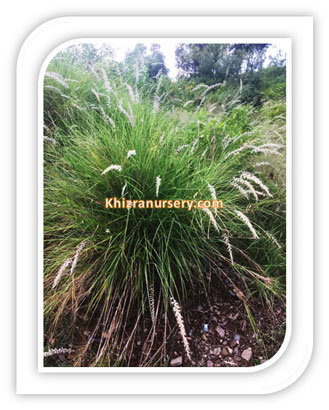
Pennisetum orientale Seeds for Sale
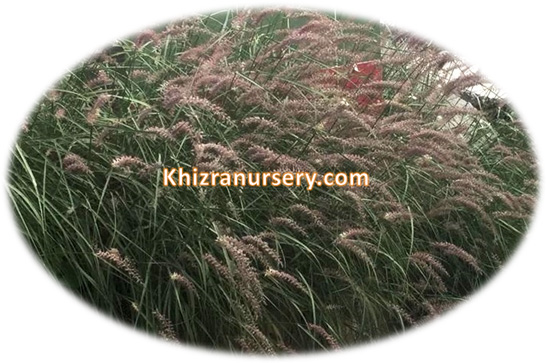
Pennisetum orientale Seeds are used to grow an attractive clump-forming ornamental grass commonly known as Oriental Fountain Grass. The species is valued for its graceful arching foliage and soft, bottlebrush-like flowering spikes, making it suitable for ornamental gardens, borders, landscape planting, and grass collections.
Pennisetum orientale is the botanical name historically used for this species. The currently accepted name is Cenchrus orientalis, while Pennisetum orientale remains an important synonym and is still widely encountered in horticultural and botanical references.
Khizra Nursery offers Pennisetum orientale Seeds for Sale for gardeners, landscapers, nurseries, growers, and ornamental grass enthusiasts interested in growing this distinctive perennial grass from seed.
About Pennisetum orientale
Pennisetum orientale, now accepted by Kew as Cenchrus orientalis, belongs to the grass family Poaceae. It is a perennial, clump-forming grass with short rhizomes, upright or arching stems, narrow leaves, and characteristic bristly flower spikes.
The species has a natural range extending from North Africa through the Caucasus and into the Indian Subcontinent. It is also native to Pakistan and other parts of South and Southwest Asia.
Its attractive flowering spikes give it the familiar appearance of a fountain grass, while its clumping growth habit makes it useful for ornamental planting.
Pennisetum orientale Common Names
The species is commonly associated with:
- Oriental Fountain Grass
- Oriental Pennisetum
- Oriental Fountain Grass
- Pennisetum orientale
- Cenchrus orientalis
The name Oriental Fountain Grass is especially useful for horticultural searches, while Cenchrus orientalis is the currently accepted botanical name according to Kew.
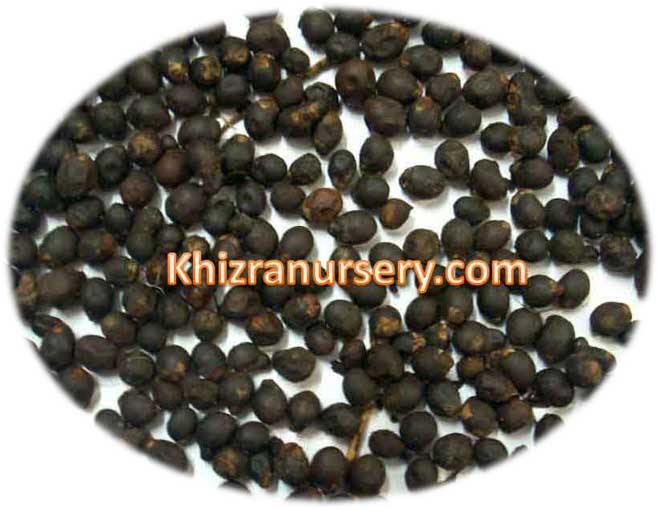
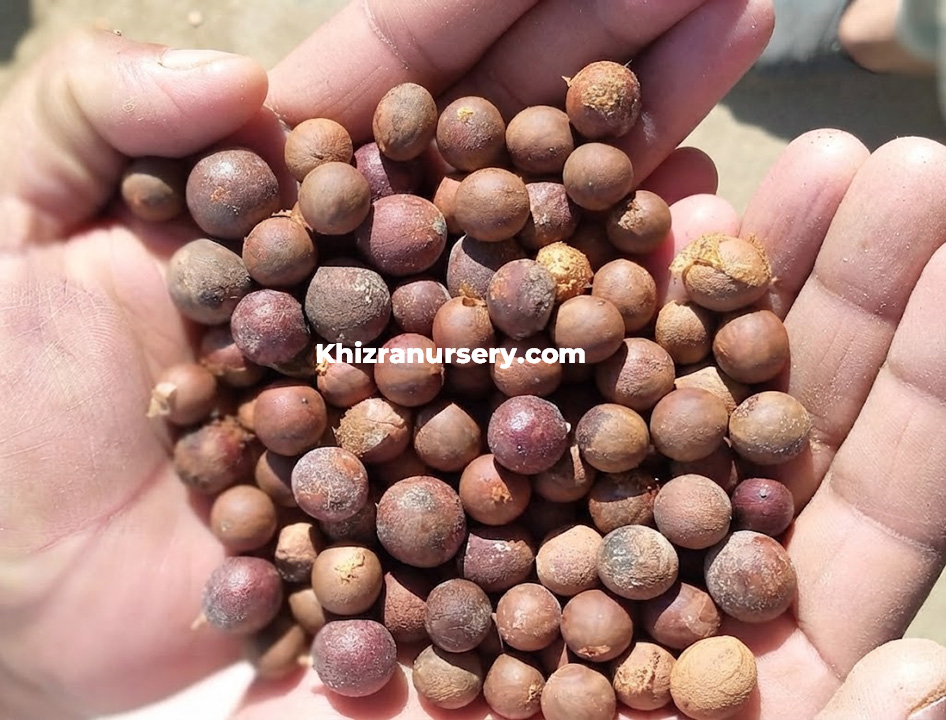
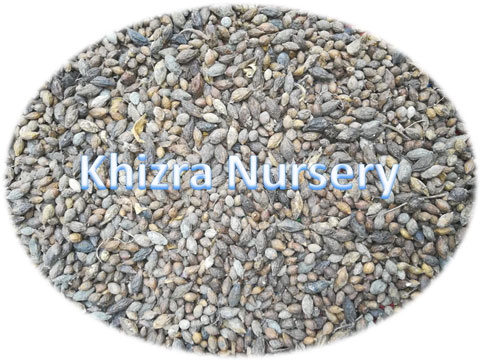
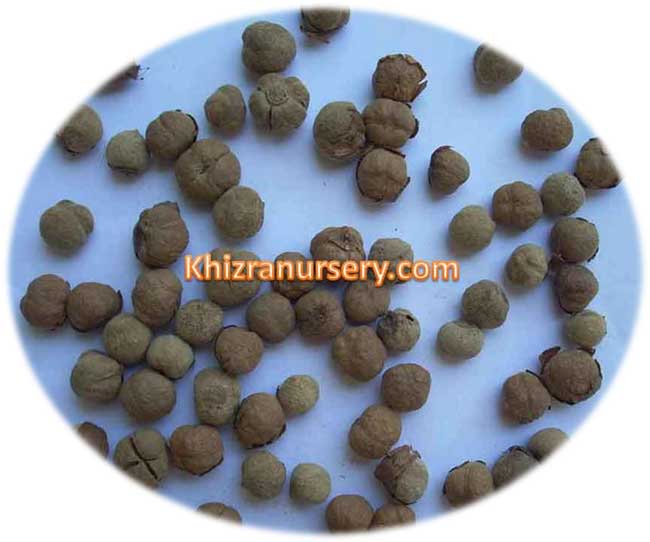
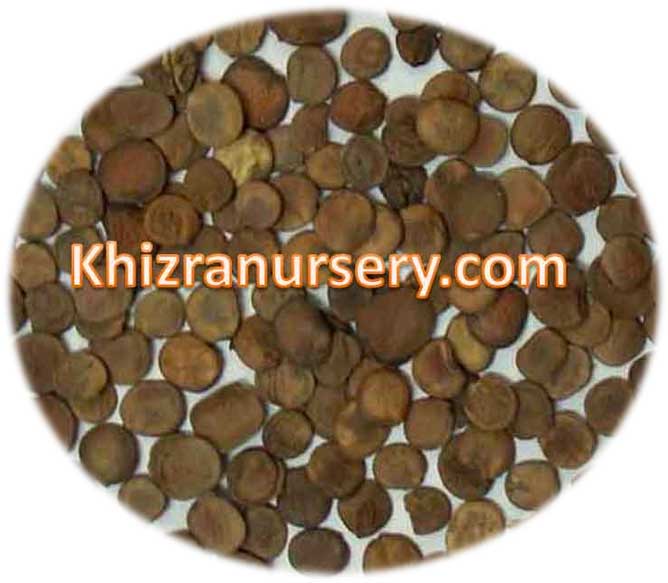
Pennisetum orientale Seeds
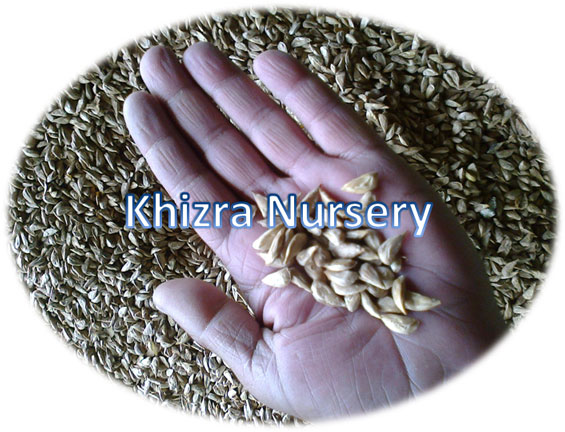
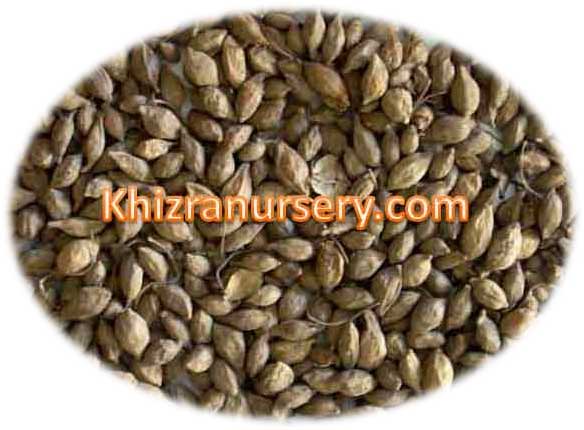
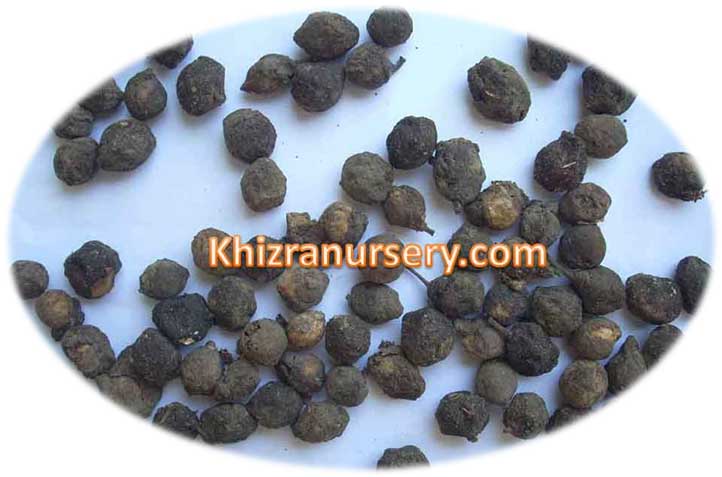
Growing Pennisetum orientale from seed is a practical way to produce new plants for ornamental landscaping and nursery production.
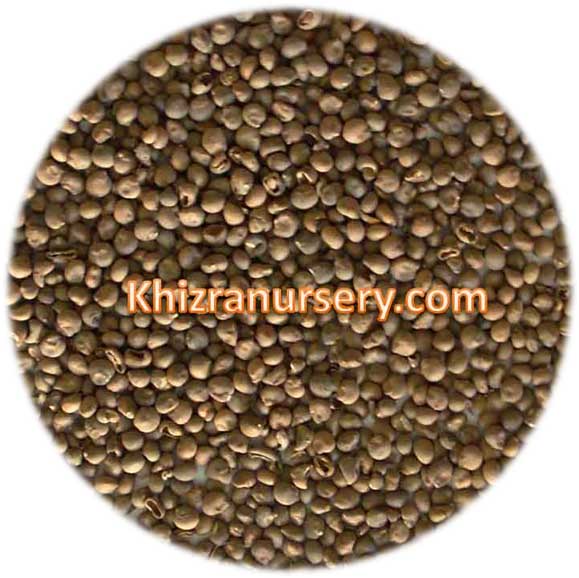
The seeds are small and should generally be sown close to the surface of a suitable growing medium rather than buried deeply.
As with other grass seeds, germination can vary according to seed quality, freshness, temperature, moisture, light, and growing conditions.
Oriental Fountain Grass Flower Spikes
One of the most attractive features of Pennisetum orientale is its soft, bristly flowering spikes.
The inflorescences are narrow and spike-like, with numerous fine bristles that create a bottlebrush or fountain-like appearance. Kew describes the inflorescences as approximately 8–30 cm long, with flexible, plumose bristles.
These flower spikes provide movement and texture when the grass is planted in open landscape settings.
Uses of Pennisetum orientale
Pennisetum orientale can be used for:
- Ornamental gardens
- Landscape borders
- Flower beds
- Rock gardens
- Grass collections
- Low-maintenance landscapes
- Cottage gardens
- Container planting
- Mixed perennial borders
- Cut-flower and dried-flower applications
The RHS specifically lists flower borders, low-maintenance gardens, cottage or informal gardens, and cut-flower uses among suitable applications.
Pennisetum orientale for Landscaping
Oriental Fountain Grass can add texture and movement to landscape designs.
Its narrow foliage contrasts well with broad-leaved ornamental plants, while the soft flowering spikes provide additional visual interest.
It can be planted as an individual clump or incorporated into groups of ornamental grasses and flowering perennials.
When planting several specimens together, leave sufficient space between plants to allow each clump to develop.
Pennisetum orientale for Low-Maintenance Gardens
Once established in a suitable location, Oriental Fountain Grass can be a useful choice for relatively low-maintenance ornamental planting.
Its tolerance of well-drained conditions and preference for full sun make it suitable for sunny landscape areas.
However, irrigation requirements should be adjusted according to local rainfall and soil conditions, especially during establishment.
Pennisetum orientale vs. Other Fountain Grasses
The name Fountain Grass is used for several different species and cultivars, so accurate identification is important.
Pennisetum orientale is now accepted as Cenchrus orientalis by Kew. It should not automatically be treated as the same species as other commonly sold fountain grasses such as Cenchrus setaceus or Cenchrus alopecuroides.
For seed purchasing and planting records, using both names can help avoid confusion:
Pennisetum orientale (synonym) / Cenchrus orientalis (accepted name).
Pennisetum orientale and Cenchrus orientalis
The taxonomic name has changed from Pennisetum orientale to Cenchrus orientalis.
Kew’s Plants of the World Online currently lists Cenchrus orientalis as the accepted species name and Pennisetum orientale as a synonym.
This does not mean that older references using Pennisetum orientale are necessarily referring to a different plant. Both names can occur in botanical, horticultural, and seed-related literature.
For SEO and customer searches, retaining Pennisetum orientale Seeds on the product page is useful because it is the name customers may search for, while mentioning Cenchrus orientalis establishes the current botanical terminology.
Frequently Asked Questions
What are Pennisetum orientale seeds?
Pennisetum orientale seeds are used to grow a perennial ornamental grass now accepted botanically as Cenchrus orientalis and commonly known as Oriental Fountain Grass.
What is the common name of Pennisetum orientale?
The species is commonly known as Oriental Fountain Grass.
Is Pennisetum orientale the same as Cenchrus orientalis?
Yes. Pennisetum orientale is a synonym of Cenchrus orientalis under the currently accepted Kew taxonomy.
How do you germinate Pennisetum orientale seeds?
Sow the seeds near the surface of a well-draining growing medium. Keep the medium moderately moist and provide suitable warmth and light during germination.
Does Oriental Fountain Grass need full sun?
Yes. Pennisetum orientale generally performs best in full sun.
What soil is suitable for Pennisetum orientale?
It prefers light, moderately fertile, well-drained soil. Sandy, loamy, and other well-draining soils can be suitable.
How tall does Pennisetum orientale grow?
Its size varies according to growing conditions. Kew records stems from approximately 20–200 cm, while the RHS gives a typical garden height of around 0.5–1 metre.
Can Pennisetum orientale be grown in containers?
Yes. Young Oriental Fountain Grass plants can be grown in containers with good drainage and a suitable growing medium.
Is Pennisetum orientale a perennial grass?
Yes. It is a perennial grass and can form clumps from short rhizomes.
Can Oriental Fountain Grass be used in landscaping?
Yes. It is suitable for ornamental borders, informal gardens, low-maintenance landscapes, grass collections, containers, and other sunny planting areas.
Buy Pennisetum orientale Seeds
If you are looking for Pennisetum orientale Seeds for Sale, Khizra Nursery provides seeds for gardeners, nurseries, landscapers, growers, and ornamental grass enthusiasts.
Pennisetum orientale, currently accepted as Cenchrus orientalis and commonly known as Oriental Fountain Grass, is an attractive perennial grass for sunny, well-drained planting areas.
For successful cultivation, provide full sun, suitable drainage, moderate moisture during establishment, and enough space for the grass to develop into a healthy clump.






Reviews
There are no reviews yet.