
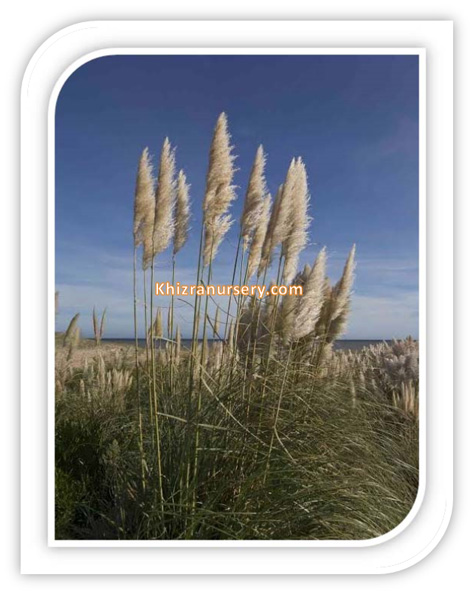
Cortaderia selloana Seeds for Sale
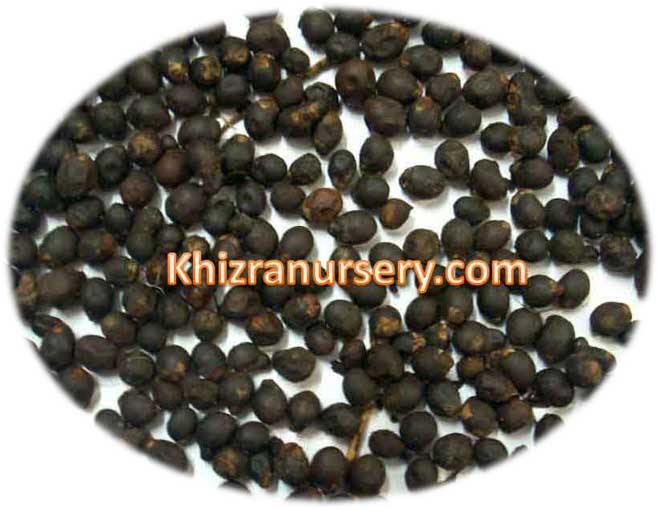
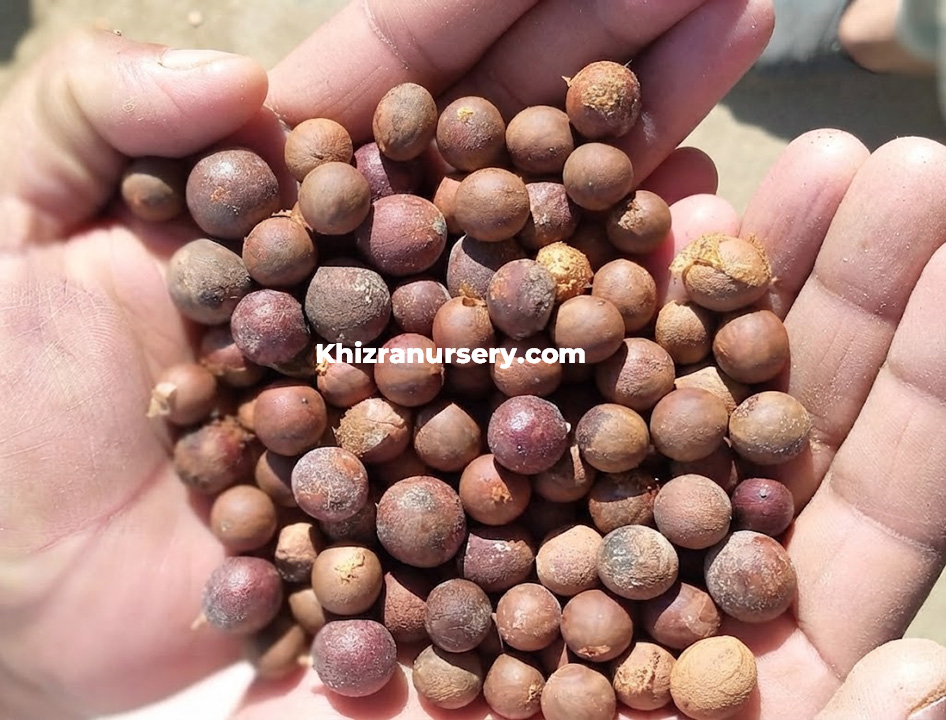
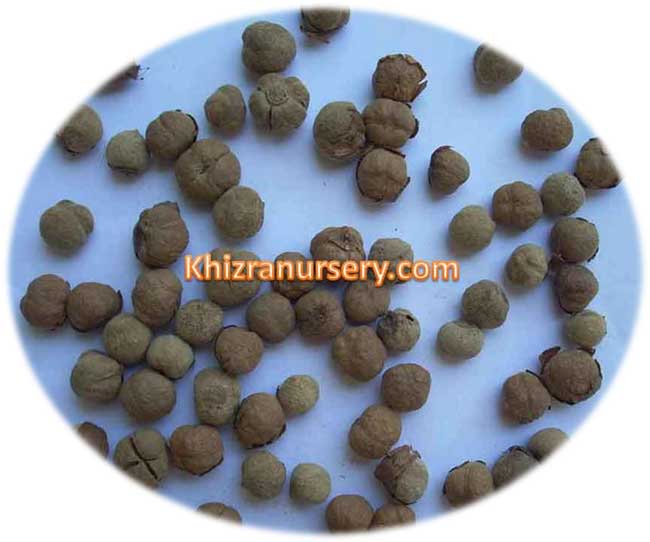
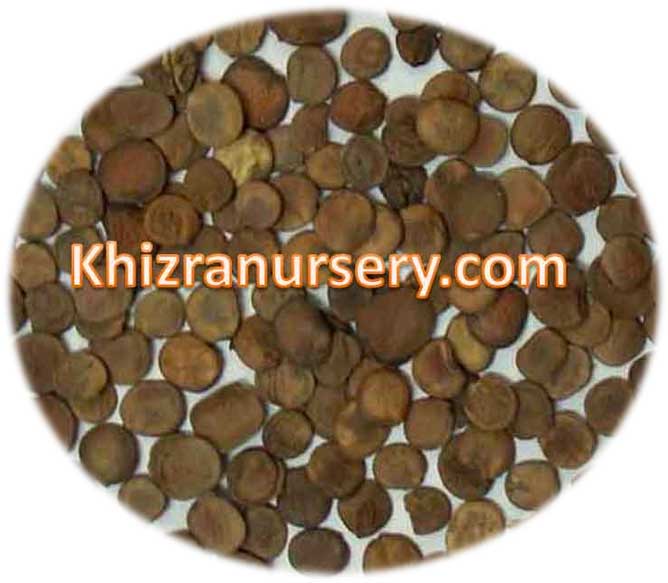
Cortaderia selloana Seeds are used to grow Pampas Grass, a large ornamental grass known for its tall, graceful foliage and impressive feathery flower plumes. Native to South America, Cortaderia selloana is widely grown as an ornamental grass in suitable climates and is popular for gardens, landscape borders, large containers, decorative planting, and floral displays.
At Khizra Nursery, Cortaderia selloana Seeds for Sale are available for gardeners, landscapers, nurseries, growers, and plant collectors interested in growing Pampas Grass from seed.
About Cortaderia selloana
Cortaderia selloana is a perennial ornamental grass belonging to the grass family Poaceae. It forms a large clump of long, narrow, arching leaves and can produce tall flowering stems topped with attractive plume-like flower heads.
The plant is particularly valued for its dramatic appearance. Its tall flower plumes can rise well above the foliage, creating a strong vertical feature in large gardens and landscapes.
Cortaderia selloana is commonly grown as an ornamental grass rather than as a crop for food production.
Cortaderia selloana Common Names
Cortaderia selloana is commonly known as:
- Pampas Grass
- Pampas Grass Plant
- Common Pampas Grass
- Cortaderia
- Pampas
The botanical name Cortaderia selloana is recommended when purchasing seeds because common names can sometimes be used for different ornamental grasses.
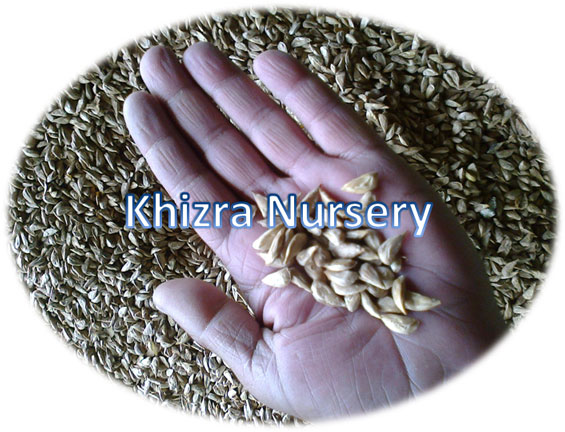
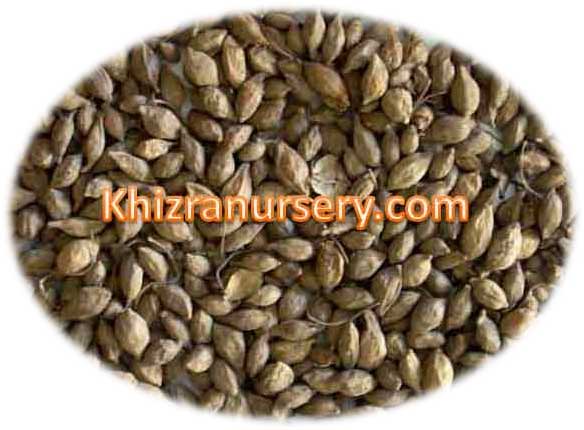
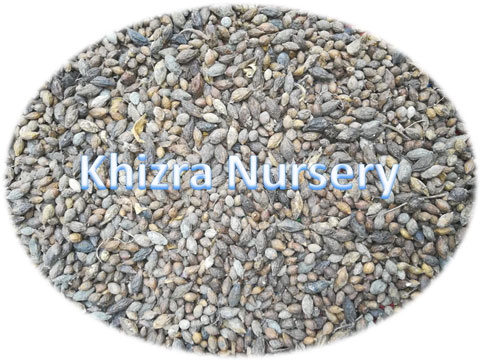
Cortaderia selloana Seeds
Growing Pampas Grass from seed is a practical way to produce new plants for ornamental landscaping and nursery production.
The seeds are small and lightweight and should be handled carefully during sowing. Because the seeds are fine, they are generally sown close to the surface rather than deeply buried.
Germination can vary depending on seed freshness, viability, temperature, moisture, light, and growing conditions.
How to Germinate Cortaderia selloana Seeds
1. Prepare the Growing Medium
Use a light, loose, and well-draining seed-starting medium.
The growing medium should retain enough moisture for germination while allowing excess water to drain freely. Avoid heavy soil that becomes compacted or remains saturated.
2. Sow the Seeds
Scatter the seeds over the surface of the prepared growing medium.
Because Pampas Grass seeds are small, avoid burying them deeply. A very light covering of fine growing medium can be used if necessary.
3. Provide Moisture
Mist or water gently after sowing so the seeds are not displaced.
Keep the growing medium consistently moist during germination, but avoid excessive watering.
4. Provide Light and Warmth
Place the seed tray in a warm location with suitable light.
Consistent growing conditions can help support germination and early seedling development.
5. Transplant Young Seedlings
Once seedlings have developed sufficiently and have a healthy root system, transplant them carefully into individual containers.
Gradually acclimatize young plants to stronger outdoor conditions before planting them permanently.
Pampas Grass Seed Germination
Cortaderia selloana seeds can germinate under suitable conditions, but germination time and success can vary.
Important factors include:
- Seed viability
- Seed freshness
- Temperature
- Moisture
- Light
- Growing medium
- General seedling care
Avoid keeping the seed-starting medium excessively wet. Consistent moisture combined with good drainage is preferable.
Growing Cortaderia selloana
Pampas Grass is a vigorous perennial ornamental grass that can become a substantial landscape plant.
It generally performs best in:
- Full sun
- Well-drained soil
- Open planting areas
- Moderate and consistent moisture during establishment
- Warm growing conditions
Once established, the plant can tolerate periods of relatively dry conditions, depending on the local climate and soil.
Light Requirements
Cortaderia selloana prefers full sun.
Providing plenty of sunlight encourages strong foliage growth and supports the development of flowering plumes.
When planting Pampas Grass outdoors, choose an open location where the plant will receive several hours of direct sunlight.
Soil Requirements
Pampas Grass performs well in well-drained soil.
It can tolerate a range of soil conditions when adequate drainage is available. Before planting, improve heavy or poorly draining soil if necessary.
Avoid locations where water remains stagnant around the roots for extended periods.
Watering Requirements
Newly planted Pampas Grass requires regular watering while its root system becomes established.
After establishment, Cortaderia selloana can become relatively drought tolerant. However, watering requirements will vary according to temperature, rainfall, soil type, and local growing conditions.
During prolonged dry periods, supplemental watering can support healthier growth.
Cortaderia selloana Growth Habit
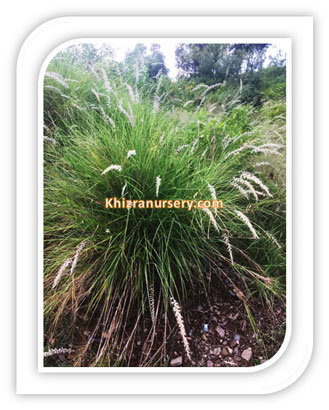
Cortaderia selloana forms a large clump of long, narrow leaves that arch outward from the center of the plant.
Mature plants can occupy considerable space, so adequate room should be provided when selecting a planting location.
Its tall flower stems provide a strong vertical element and can rise significantly above the foliage.
Pampas Grass Flower Plumes
The most recognizable feature of Pampas Grass is its large, feathery flower plumes.
Depending on the plant and growing conditions, the plumes can appear in shades ranging from creamy white to silvery or slightly pinkish tones.
The flowering season varies according to climate and growing conditions.
The plumes are highly valued for ornamental landscaping and are also commonly used in dried floral arrangements.
Uses of Cortaderia selloana
Cortaderia selloana is primarily grown as an ornamental landscape grass.
Common uses include:
- Garden landscaping
- Large borders
- Ornamental grass beds
- Property boundaries
- Privacy planting
- Specimen planting
- Large containers
- Park landscaping
- Commercial landscapes
- Dried floral arrangements
- Decorative flower displays
Because the plant can become large, it is best suited to locations with adequate space.
Pampas Grass for Landscaping
Pampas Grass can create a dramatic focal point in a landscape because of its tall foliage and large flowering plumes.
It can be planted individually as a specimen or incorporated into larger ornamental grass plantings.
Its upright flower stems can also provide height and texture behind lower-growing flowers and shrubs.
When planning a landscape, allow sufficient space around mature plants to prevent overcrowding.
Growing Pampas Grass from Seeds
Starting Pampas Grass from seed allows growers to produce plants for landscape projects and nursery production.
Seedlings should initially be grown under controlled conditions where moisture, temperature, and light can be monitored.
Once established, young plants can gradually be moved into larger containers or prepared outdoor planting sites.
For larger landscape projects, growers should consider the mature size of the grass before selecting the final planting location.
Pampas Grass in Containers
Young Cortaderia selloana plants can be grown in containers while they are developing.
Use a sufficiently large container with drainage holes and a well-draining growing medium.
As Pampas Grass becomes larger and develops a substantial root system, it may require transplantation into the ground or a much larger growing container.
Container-grown plants also require appropriate watering because containers can dry out faster than garden soil.
Pruning and Maintenance
Established Pampas Grass can be maintained through seasonal removal of old or damaged foliage.
When pruning mature plants, use appropriate protective gloves and clothing because the leaf edges can be sharp.
Remove old foliage carefully and avoid damaging the central growing point.
Pruning requirements vary according to climate and the desired appearance of the plant.
Pampas Grass for Dried Arrangements
The attractive flower plumes of Cortaderia selloana are widely appreciated for decorative purposes.
Mature plumes can be dried and used in:
- Dried flower arrangements
- Interior decoration
- Floral displays
- Decorative wreaths
- Event decoration
- Ornamental displays
The natural texture and neutral colors of dried Pampas Grass make it useful in a variety of decorative settings.
Cortaderia selloana for Privacy
Because Pampas Grass can develop tall foliage and flower stems, it can be used as part of a landscape screen where suitable space is available.
Plants should be positioned with adequate spacing so that each clump has room to develop.
For permanent screening, consider the mature size of the plants and the requirements of the local climate before planting.
Important Consideration When Growing Pampas Grass
Cortaderia selloana can be a vigorous plant, and in some regions Pampas Grass has invasive potential.
Its ability to produce numerous seeds means that it can spread beyond cultivated areas under favorable conditions. Before planting or selling Pampas Grass, growers should check local regulations and consider whether the species is appropriate for their environment.
In regions where it is permitted, responsible planting and management can help reduce unwanted spread.
Cortaderia selloana vs. Other Ornamental Grasses
Pampas Grass is sometimes confused with other tall ornamental grasses.
Cortaderia selloana can be identified by its large clumping habit, long arching leaves, and tall plume-like flower heads.
The botanical name is particularly useful when purchasing seeds because different ornamental grasses can have similar common names or general descriptions.
Frequently Asked Questions
What are Cortaderia selloana seeds?
Cortaderia selloana seeds are used to grow Pampas Grass, a large perennial ornamental grass known for its tall foliage and feathery flower plumes.
What is the common name of Cortaderia selloana?
The most common name is Pampas Grass.
How do you germinate Cortaderia selloana seeds?
Sow the small seeds on or near the surface of a well-draining growing medium. Keep them warm and consistently moist while providing suitable light. Avoid burying the seeds deeply.
Does Pampas Grass need full sun?
Yes. Cortaderia selloana generally performs best in full sun and benefits from plenty of direct light.
What soil does Pampas Grass prefer?
Pampas Grass prefers well-drained soil and can grow in a range of soil types when adequate drainage is available.
How often should Pampas Grass be watered?
Young plants require regular watering while establishing. Once established, Pampas Grass can tolerate periods of reduced water, although requirements depend on local climate and soil conditions.
Can Cortaderia selloana be grown in containers?
Young plants can be grown in containers, but mature Pampas Grass becomes large and generally requires substantial growing space.
Does Pampas Grass produce flowers?
Yes. Mature plants can produce tall stems topped with large, feathery ornamental plumes. Flowering depends on the plant, climate, and growing conditions.
Can Pampas Grass be grown from seed?
Yes. Cortaderia selloana can be propagated from seed under suitable germination and growing conditions.
Is Pampas Grass suitable for landscaping?
Yes, where permitted and environmentally appropriate. It is commonly used as a specimen grass, border plant, screening plant, and ornamental landscape feature.
Is Cortaderia selloana invasive?
It can be invasive in some regions because it can spread through seed. Always check local regulations and environmental guidance before planting Pampas Grass.
Buy Cortaderia selloana Seeds
If you are looking for Cortaderia selloana Seeds for Sale, Khizra Nursery provides Pampas Grass seeds for gardeners, nurseries, landscapers, growers, and ornamental plant enthusiasts.
Cortaderia selloana, commonly known as Pampas Grass, is an attractive choice for large landscapes where its tall foliage and distinctive flower plumes can create a strong ornamental feature.
For successful cultivation, provide suitable sunlight, well-drained soil, adequate moisture during establishment, and sufficient space for mature growth.






Reviews
There are no reviews yet.