
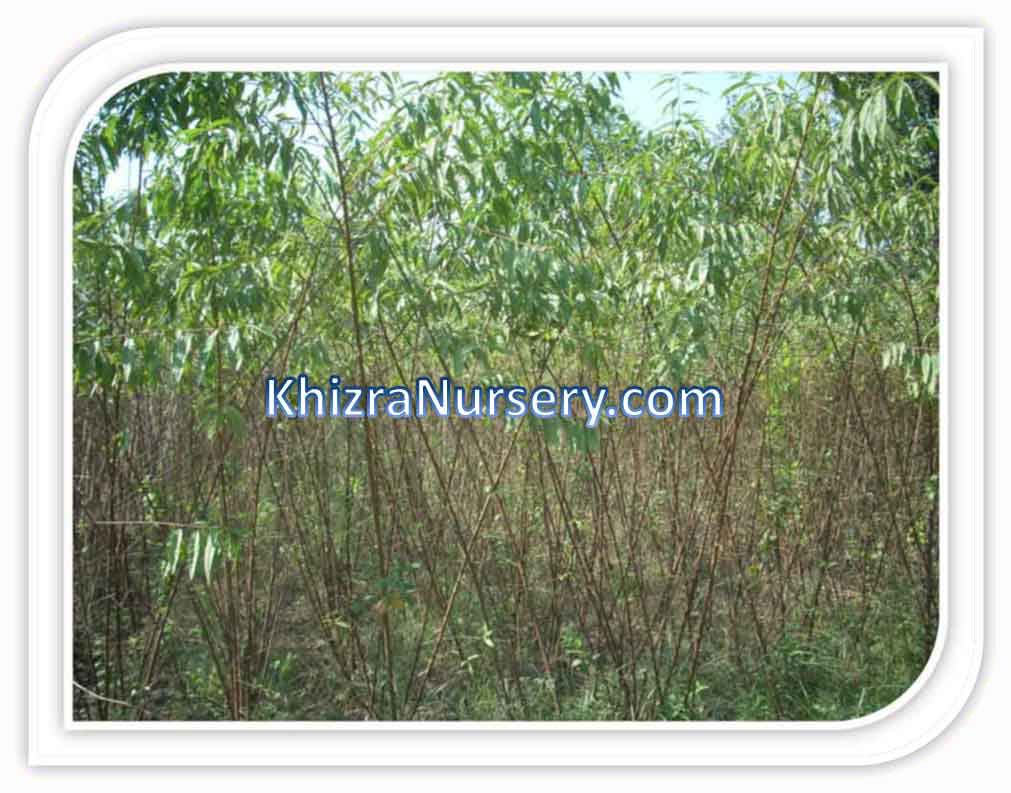
Almond Trees for Sale
Almond Trees for Sale
Khizra Nursery offers Almond Trees for Sale for home gardens, farms, orchards, and commercial planting. Almond trees are popular fruit trees valued for their nutritious nuts, attractive flowers, and long-term productivity in suitable climates.
The almond tree is botanically known as Prunus dulcis and is also commonly associated with the botanical name Prunus amygdalus. It belongs to the Rosaceae family and is closely related to peach, plum, apricot, and other stone-fruit trees.
If you are looking to buy almond trees, selecting healthy plants and providing suitable growing conditions are important for successful establishment and future production.
Almond Tree Botanical Name
The scientific name of the almond tree is Prunus dulcis. Prunus amygdalus is another botanical name historically associated with the almond.
- Common name: Almond Tree
- Other common name: Sweet Almond Tree
- Botanical name: Prunus dulcis
- Other botanical name: Prunus amygdalus
- Family: Rosaceae
- Type: Deciduous fruit tree
The edible almond is the seed or kernel found inside the hard shell of the almond fruit.
Almond Plants
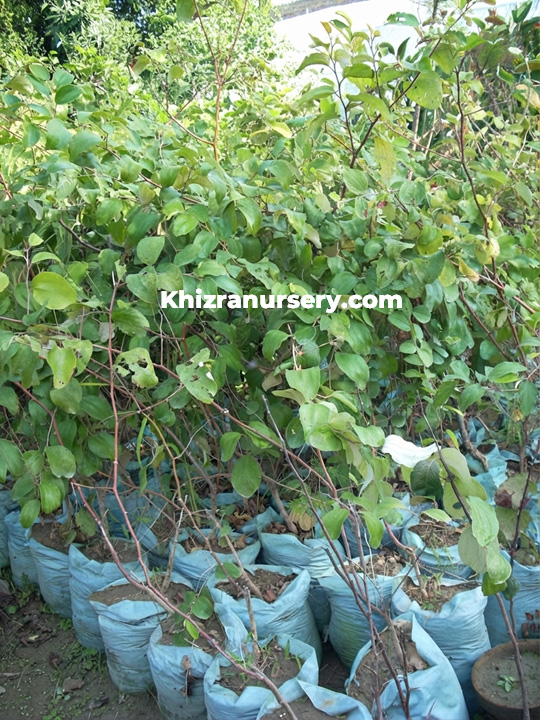
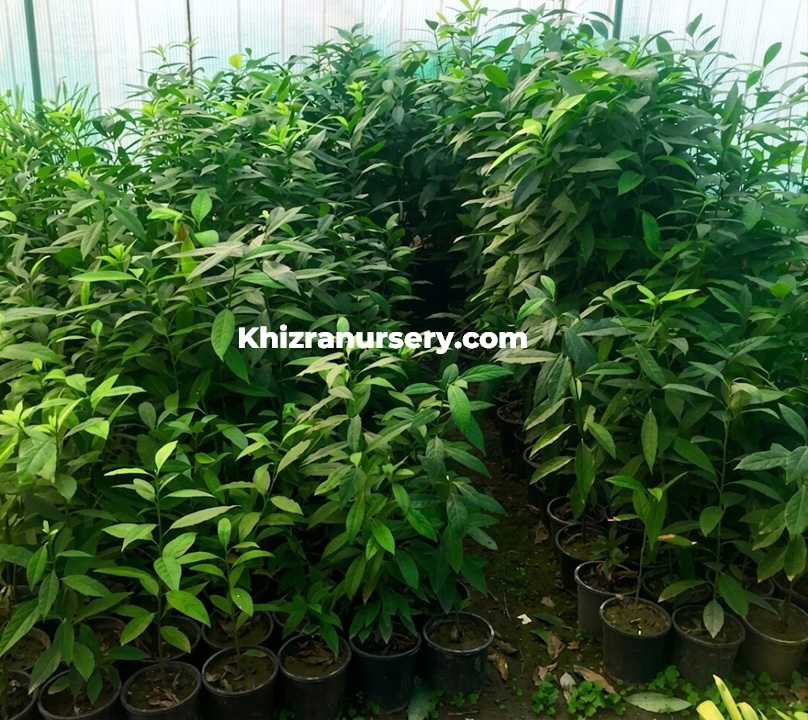
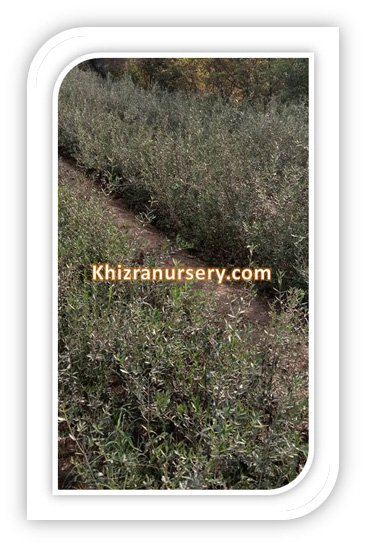
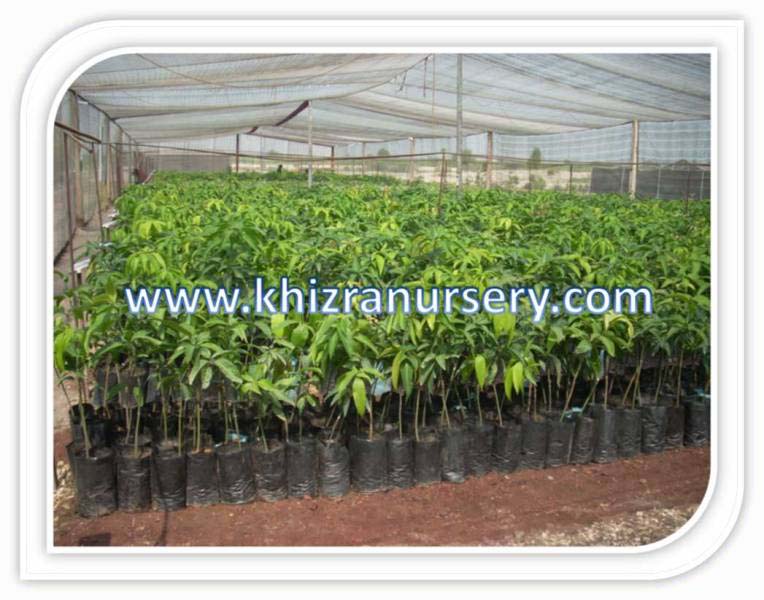
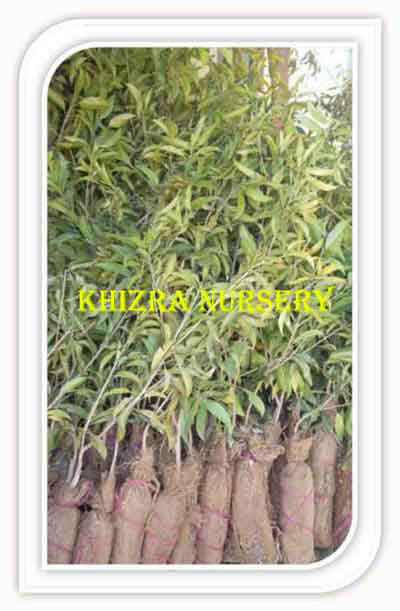
Almond plants are young almond trees intended for planting and cultivation. They can be established in gardens, agricultural fields, and orchards where climate and soil conditions are suitable.
Young almond plants for sale should be planted in a sunny location with good drainage. Proper watering during the establishment period helps the root system develop and supports healthy growth.
When you buy an almond tree, consider the available space, local climate, soil drainage, irrigation, and the characteristics of the variety being planted.
Almond Tree Features
Almond trees are deciduous and develop a spreading canopy as they mature. They produce attractive flowers, followed by fruits that contain the almond kernel.
Important characteristics include:
- Deciduous growth habit
- Attractive white to pale-pink flowers
- Edible almond kernels
- Spreading mature canopy
- Long-term fruit-tree potential
- Suitable for gardens and orchards in appropriate climates
The final almond tree size depends on the variety, rootstock, climate, soil, irrigation, pruning, and general growing conditions.
Almond Tree Height and Width
One of the common questions about almond trees is how big do almond trees grow?
Under suitable conditions, almond trees can become medium-sized trees with a broad, spreading canopy. Their mature height and width vary considerably according to variety, growing environment, rootstock, and pruning.
For this reason, there is no single fixed almond tree height that applies to every tree.
When planting an almond tree, allow sufficient space for the developing canopy. Regular pruning can help maintain a manageable size, improve the tree’s structure, and increase light penetration into the canopy.
How Big Do Almond Trees Get?
The question “how big do almond trees get?” depends largely on the variety and growing conditions.
An almond tree that receives adequate sunlight, water, nutrition, and suitable soil can develop substantially over time. Orchard-grown trees may be managed through pruning to maintain a productive and accessible canopy.
How Tall Do Almond Trees Grow?
How tall do almond trees grow? Almond trees can reach considerable heights when left unmanaged, but their practical height in cultivated orchards is often controlled through training and pruning.
If you need a specific tree size for a particular planting location, the expected mature dimensions should be considered before planting.
Almond Tree Growth Rate
The almond tree growth rate varies according to climate, soil fertility, water availability, variety, rootstock, and tree age.
Young almond plants generally concentrate on establishing their root system before reaching full fruit-producing potential. Good sunlight, appropriate irrigation, adequate nutrition, and proper pruning can encourage healthy development.
Avoid excessive irrigation or fertilizer, as more water or fertilizer does not necessarily mean faster or healthier growth.
Almond Tree Flowers
Almond trees are particularly attractive during flowering. They produce delicate white to pale-pink flowers, often appearing before the tree has fully developed its leaves.
The flowers are important for pollination and also provide ornamental value in gardens and orchards.
Because almonds can flower relatively early, growers should consider the possibility of late frost when choosing a planting location and variety.
Almond Fruit Tree
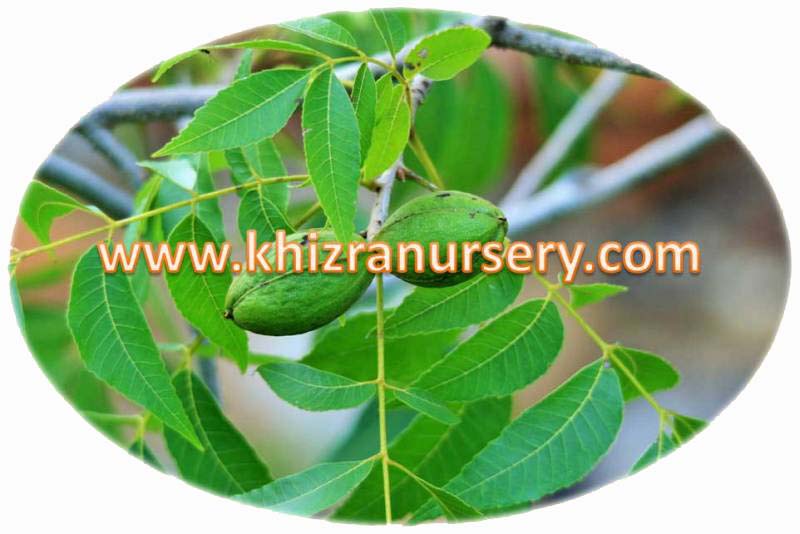
The almond is a fruit tree, although the part commonly consumed is the seed or kernel inside the fruit.
After flowering and successful pollination, almond fruits develop and mature. The outer hull surrounds a hard shell, which contains the edible almond kernel.
Almonds are widely consumed as food and are used in:
- Snacks
- Bakery products
- Confectionery
- Desserts
- Almond milk and beverages
- Nut products
- Food processing
Almond Tree Varieties and Species
There are different almond tree varieties cultivated for different climates, growing conditions, harvest periods, nut characteristics, and pollination requirements.
When choosing between different types of almond trees, growers should consider:
- Local climate
- Winter chilling requirements
- Flowering time
- Frost risk
- Pollination requirements
- Nut characteristics
- Tree growth habit
- Orchard management requirements
Different almond tree species and varieties may have substantially different characteristics, so selecting planting material suitable for your region is important.
Almond Tree Pollination
Pollination is an important consideration when growing almond trees.
Some almond varieties are self-compatible, while many traditional varieties perform better when planted with a compatible pollinizing variety. Bees and other pollinating insects play an important role during flowering.
For commercial orchards, growers should check the pollination requirements of the selected variety and consider flowering overlap when planning the orchard.
Growing Almond Trees
Almond trees require suitable environmental conditions for healthy growth and fruit production.
Choose a location that provides:
- Full sunlight
- Good soil drainage
- Adequate air circulation
- Sufficient growing space
- Suitable winter chilling
- Appropriate irrigation
Almond trees generally perform best where winters provide adequate chilling and the growing season provides sufficient warmth and sunlight.
Soil Requirements for Almond Plants
Well-drained soil is important for almond plants. Loamy soils with good drainage and adequate fertility can provide suitable conditions for root development.
Avoid planting almond trees in locations where water remains around the roots for prolonged periods.
Before establishing an orchard, soil testing can help identify nutrient deficiencies and soil-related problems that may need correction.
Watering Almond Trees
Young almond plants require regular watering while establishing their root systems. Water deeply enough to encourage root development while avoiding prolonged waterlogging.
Established almond trees may tolerate periods of dry weather better than young plants, but adequate moisture is important during active growth, flowering, and fruit development.
Water requirements vary depending on:
- Climate
- Rainfall
- Soil type
- Tree age
- Season
- Irrigation method
Fertilizing Almond Trees
Almond trees benefit from appropriate nutrition, particularly during active growth and fruit production.
A balanced fertilization program should be based on soil fertility, tree age, growth, and production. Soil testing can help determine which nutrients are required.
Avoid applying excessive fertilizer because unnecessary fertilizer can cause excessive vegetative growth and may negatively affect the tree.
Pruning Almond Trees
Pruning helps develop a strong framework and maintain the shape and size of an almond tree.
For young trees, early training can establish well-positioned main branches. As trees mature, remove dead, damaged, diseased, crossing, or poorly positioned branches.
Pruning can also improve light penetration and air circulation within the canopy.
The appropriate pruning system depends on whether the tree is being grown in a home garden or a commercial orchard.
Almond Trees for Home Gardens
Almond trees can be an attractive addition to a suitable home garden. Their spring flowers provide ornamental interest, while a healthy mature tree can potentially produce almonds.
Before planting, make sure the garden provides enough sunlight and space for the tree’s future canopy.
Good drainage is particularly important, and young plants should receive appropriate irrigation during establishment.
Almond Trees for Orchards
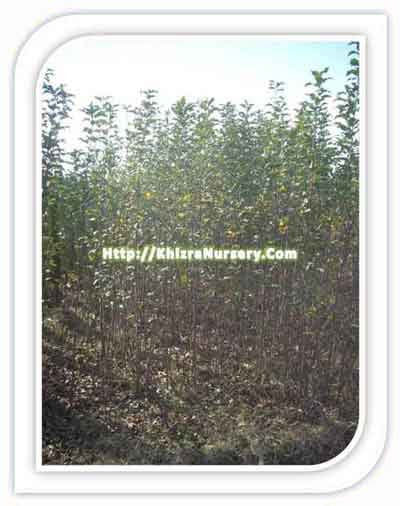
Almond trees for sale are also suitable for orchard establishment where the local climate meets their requirements.
Commercial growers should consider the following before planting:
- Suitable almond tree varieties
- Pollination requirements
- Tree spacing
- Soil drainage
- Irrigation
- Climate and winter chilling
- Spring frost risk
- Pruning and training
- Pest and disease management
- Harvesting requirements
Selecting suitable planting material at the beginning can have a major impact on the long-term performance of an almond orchard.
Where Can You Grow Almond Trees?
Almond trees can be grown in regions with suitable winter chilling, warm growing conditions, adequate sunlight, and well-drained soil.
Climate is particularly important because almond trees flower relatively early. Locations with frequent severe frost during flowering may present challenges.
Before purchasing an almond tree, growers should evaluate the local climate and select a variety appropriate for their growing region.
Buy Almond Trees from Khizra Nursery
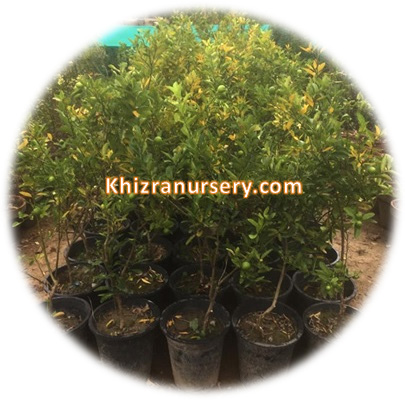
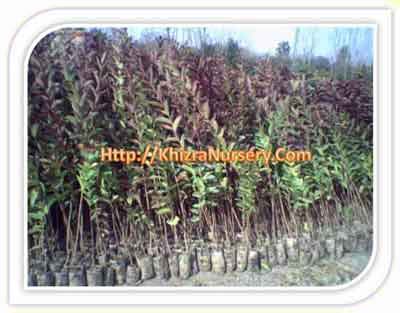
If you are looking for almond trees for sale, Khizra Nursery provides almond plants for gardeners, farmers, orchard owners, and commercial growers.
Our Almond Plants are intended for planting in suitable growing conditions. Whether you want to buy almond trees for a home garden or establish an almond orchard, choosing healthy planting material is an important first step.
For the best results, plant almond trees in full sunlight, use well-drained soil, provide appropriate irrigation, and select varieties according to your local climate and pollination requirements.
Frequently Asked Questions
What is the botanical name of the almond tree?
The botanical name of the almond tree is Prunus dulcis. Prunus amygdalus is another botanical name associated with the almond.
Are almond trees fruit trees?
Yes. The almond is a fruit-producing tree. The edible almond is the kernel found inside the hard shell of the fruit.
How big do almond trees grow?
The mature size of an almond tree depends on its variety, rootstock, climate, soil, irrigation, and pruning. Almond trees can develop into medium-sized trees with a broad canopy.
How tall do almond trees grow?
Almond tree height varies by variety and growing conditions. Regular pruning and training can be used to control the tree’s height and shape in gardens and orchards.
What are the main types of almond trees?
There are many almond varieties with different characteristics, including differences in flowering time, pollination requirements, nut characteristics, and growth habit. Variety selection should be based on the local climate and intended use.
Do almond trees need full sunlight?
Yes. Almond trees perform best in a location receiving full sunlight. Good sunlight supports healthy growth, flowering, and fruit development.
Can I buy an almond tree for a home garden?
Yes. Almond plants can be grown in suitable home gardens where there is sufficient sunlight, space, good drainage, and an appropriate climate.
Do almond trees need pollination?
Pollination requirements depend on the variety. Some varieties are self-compatible, while others benefit from cross-pollination with a compatible almond variety.
What soil is best for almond plants?
Almond plants generally perform well in fertile, well-drained soil. Avoid locations where water remains around the root zone for long periods.
How fast do almond trees grow?
The almond tree growth rate depends on variety, climate, soil, irrigation, nutrition, and tree age. Good growing conditions encourage healthy development, but growth rates vary between trees.
Where can you grow almond trees?
Almond trees are best suited to climates providing appropriate winter chilling, warm growing conditions, sufficient sunlight, and good soil drainage. Local frost conditions should also be considered before planting.
Where can I buy almond trees?
You can buy almond trees and almond plants from Khizra Nursery for suitable garden, farm, and orchard planting conditions.



Reviews
There are no reviews yet.