
Pennisetum setaceum Seeds for Sale
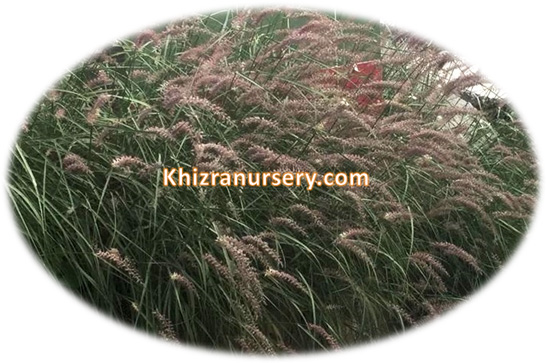
Pennisetum setaceum Seeds are used to grow Fountain Grass, an attractive perennial ornamental grass known for its fine foliage and graceful, bottlebrush-like flower spikes. It is valued for its distinctive texture and arching growth and can be used in suitable gardens, landscape borders, ornamental grass collections, and large containers.
The botanical name Pennisetum setaceum is still widely used in horticultural and seed references. However, Kew’s current taxonomy treats Pennisetum setaceum as a synonym of Cenchrus setaceus, which is the currently accepted botanical name.
At Khizra Nursery, Pennisetum setaceum Seeds for Sale are available for gardeners, nurseries, landscapers, growers, and ornamental grass enthusiasts interested in growing Fountain Grass from seed.
About Pennisetum setaceum
Pennisetum setaceum, now accepted as Cenchrus setaceus, is a perennial grass belonging to the family Poaceae. Its natural range extends from North Africa through parts of the Middle East and into Afghanistan and eastern Africa.
The plant forms dense clumps of narrow, somewhat stiff foliage and produces elongated, bristly flower spikes. The stems can reach approximately 20–130 cm according to botanical descriptions, although cultivated size varies with growing conditions.
Its attractive flowering spikes give the plant a soft, fountain-like appearance, making it a popular ornamental grass in appropriate climates.
Pennisetum setaceum Common Names
Pennisetum setaceum is commonly associated with names such as:
- Fountain Grass
- African Fountain Grass
- Crimson Fountain Grass
- Purple Fountain Grass
- Pennisetum Grass
- Cenchrus setaceus
The exact common name can depend on the variety or cultivar. The species itself is commonly referred to as Fountain Grass.
For accurate identification, use the botanical names Pennisetum setaceum and Cenchrus setaceus.
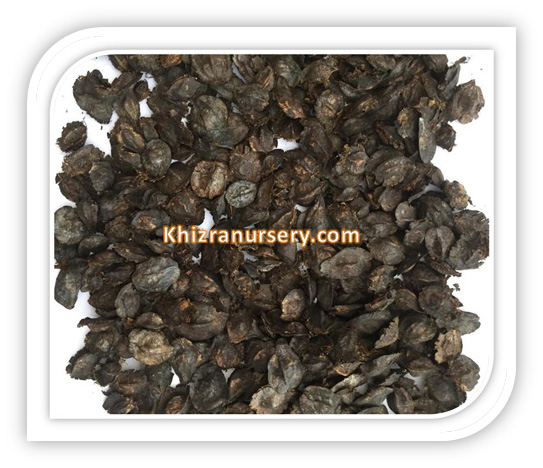
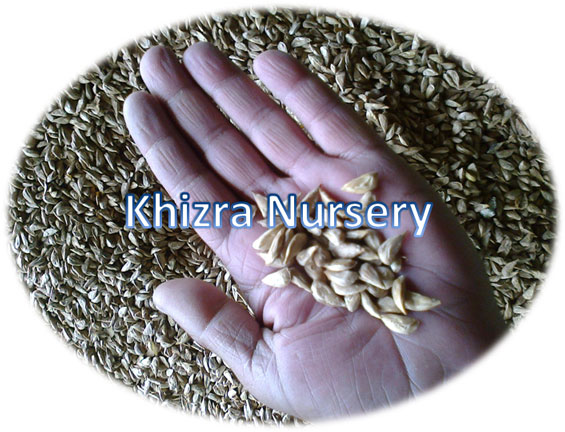
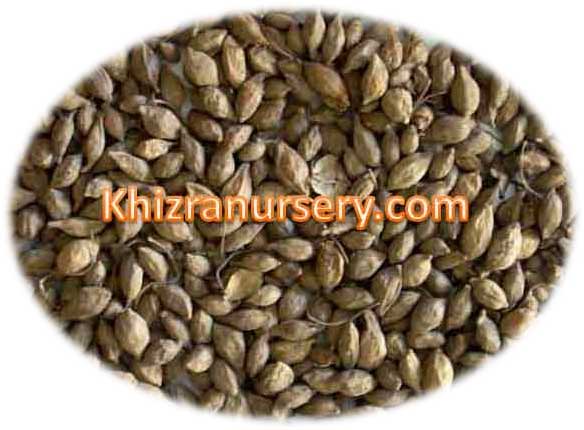
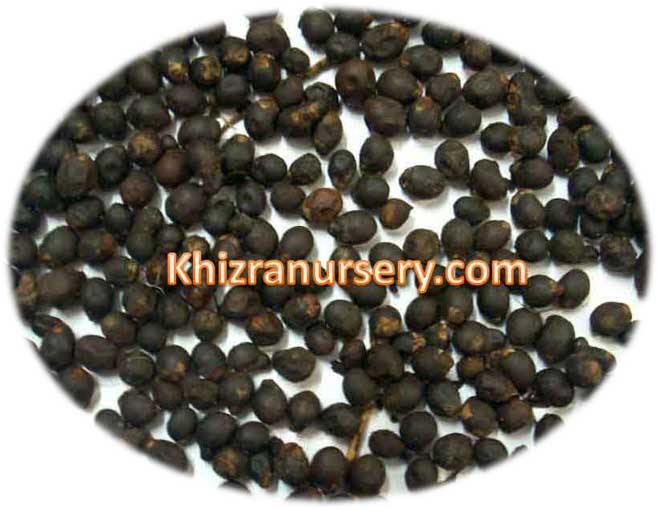
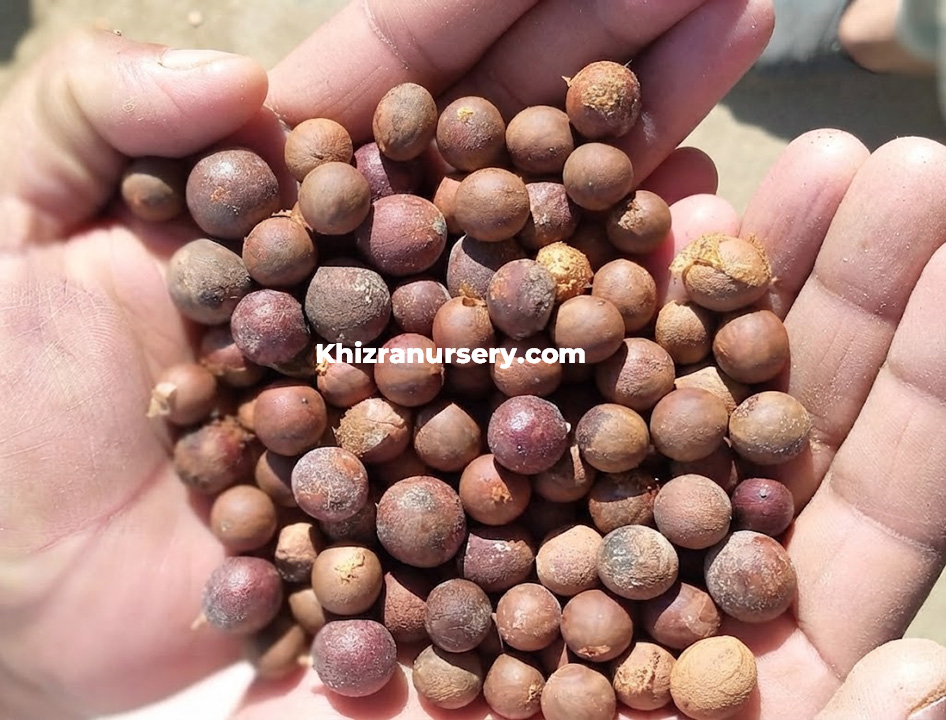
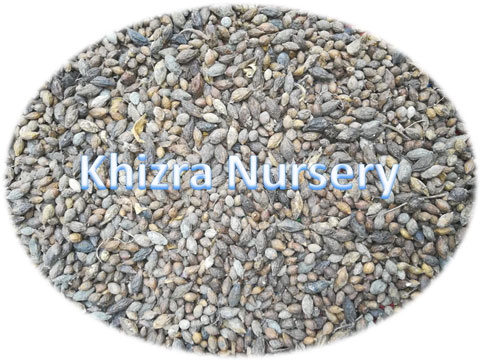
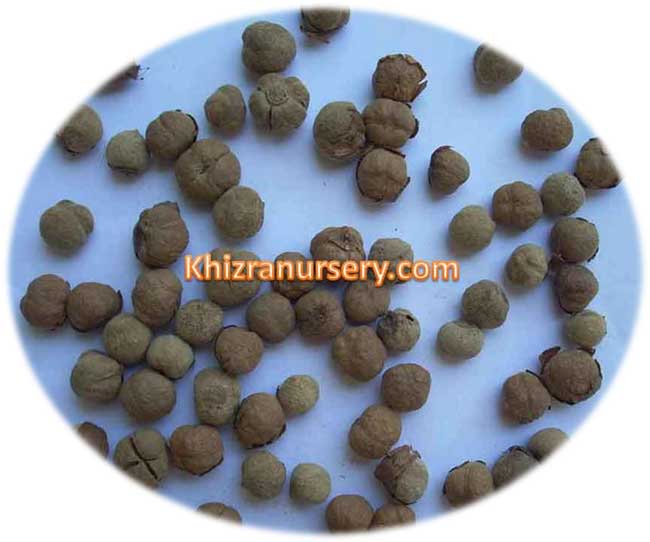
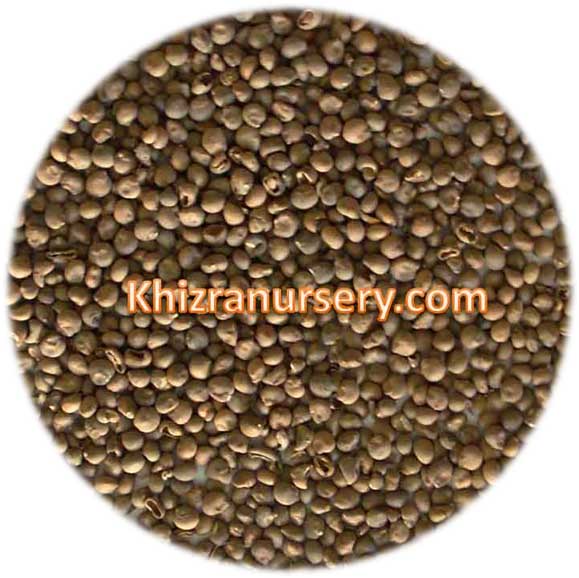
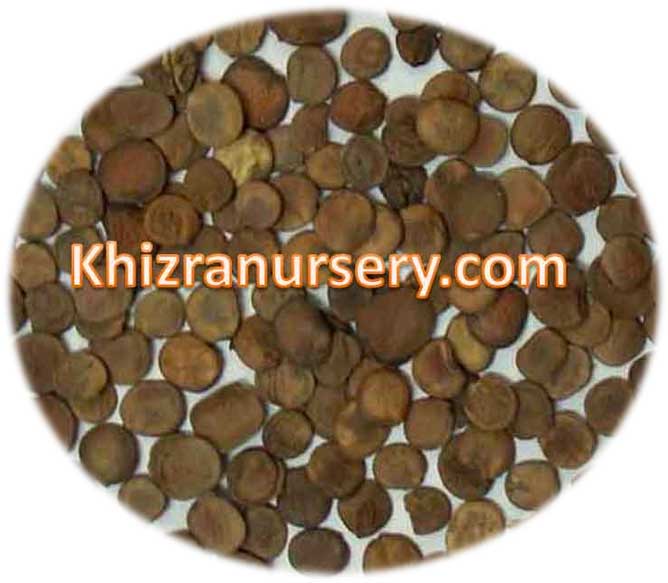
Pennisetum setaceum Seeds
Growing Pennisetum setaceum from seed is a useful method for producing ornamental grass plants for gardens, landscaping, and nursery production.
The seeds are small and should generally be sown close to the surface rather than deeply buried.
Seed germination can vary according to seed freshness, viability, temperature, moisture, light, and growing medium.
For best results, maintain consistent growing conditions and avoid excessive moisture.
How to Germinate Pennisetum setaceum Seeds
1. Prepare the Growing Medium
Use a light and well-draining seed-starting medium.
A suitable mixture should retain enough moisture for germination while allowing excess water to drain away.
Avoid heavy soil that becomes compacted or remains wet for long periods.
2. Sow the Seeds
Spread the seeds over the surface of the prepared growing medium.
Cover them only lightly with fine soil or growing medium. Avoid deep planting because small grass seeds generally require relatively shallow sowing.
3. Water Gently
Mist the surface or water gently after sowing.
Keep the medium moderately moist during germination without creating waterlogged conditions.
4. Provide Warmth and Light
Place the seed tray or container in a warm location with suitable light.
Stable temperatures and consistent moisture can help support germination.
5. Transplant Seedlings
Once seedlings have developed several leaves and a healthy root system, transplant them carefully into individual containers.
Allow young plants to establish before moving them to their permanent outdoor location.
Pennisetum setaceum Seed Germination
Germination performance depends on the quality and viability of the seed as well as environmental conditions.
Important factors include:
- Seed freshness
- Seed viability
- Temperature
- Moisture
- Light
- Growing medium
- Sowing depth
Do not keep the soil constantly saturated. Good drainage and moderate moisture are preferable.
Growing Pennisetum setaceum
Pennisetum setaceum is adapted to warm and seasonally dry environments. Kew describes Cenchrus setaceus as a perennial species that grows primarily in seasonally dry tropical conditions.
For ornamental cultivation, provide:
- Full sun
- Well-drained soil
- Good air circulation
- Moderate moisture during establishment
- Adequate space for clump development
The RHS notes that Pennisetum grasses generally prefer light, freely draining soil and full sun.
Light Requirements
Pennisetum setaceum performs best in full sun.
Good sunlight encourages strong foliage growth and helps support the production of attractive flowering spikes.
Choose an open location where the grass receives several hours of direct sunlight each day.
Soil Requirements
Fountain Grass prefers light, well-drained soil.
Sandy or loamy soils can be suitable when they provide good drainage. Heavy soils that remain wet for extended periods are less suitable.
For container cultivation, use a porous growing medium and a container with drainage holes.
Watering Requirements
Young Fountain Grass plants should be watered regularly while their roots are becoming established.
After establishment, watering requirements can be reduced depending on rainfall, soil type, temperature, and local climate.
Because this species is adapted to seasonally dry conditions, avoid excessive irrigation and prolonged waterlogging.
Pennisetum setaceum Growth Habit
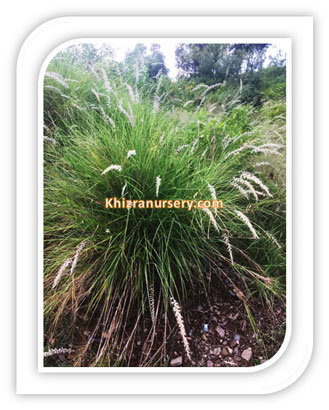
Pennisetum setaceum develops as a dense, tufted perennial grass with narrow foliage and upright to arching flowering stems.
Botanical descriptions record culms approximately 20–130 cm long, while leaf blades may reach around 15–30 cm.
The final size of cultivated plants depends on climate, soil, water availability, sunlight, and growing conditions.
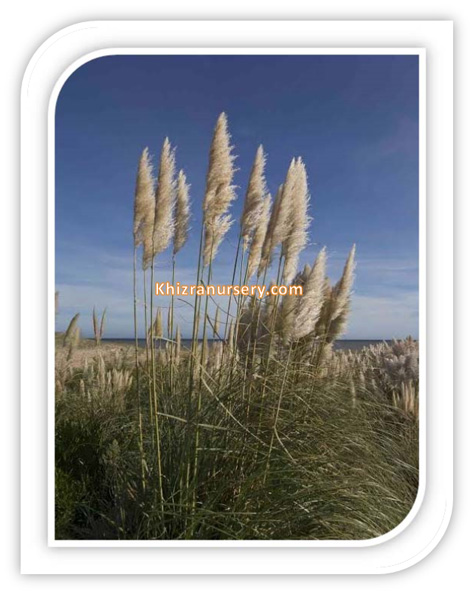
Fountain Grass Flower Spikes
The flower spikes are one of the most attractive characteristics of Pennisetum setaceum.
The inflorescences are elongated and bristly, giving them a distinctive bottlebrush or fountain-like appearance. Botanical descriptions record panicles approximately 6–30 cm long.
Depending on the plant or cultivar, the flowering spikes may appear greenish, cream, reddish, purple, or burgundy.
Uses of Pennisetum setaceum
Fountain Grass can be used for:
- Ornamental gardens
- Landscape borders
- Ornamental grass beds
- Rock gardens
- Large containers
- Garden focal points
- Mixed perennial planting
- Grass collections
- Decorative planting
- Cut-flower arrangements
Pennisetum grasses are widely valued for their feathery flower heads and ornamental foliage.
Pennisetum setaceum for Landscaping
Fountain Grass can add movement, texture, and vertical interest to landscape designs.
It can be planted as an individual clump or combined with other ornamental grasses, shrubs, and flowering plants.
The narrow foliage contrasts well with broad-leaved plants, while the flower spikes provide additional seasonal interest.
Allow sufficient space between plants so individual clumps can develop without becoming overcrowded.
Growing Fountain Grass in Containers
Young Pennisetum setaceum plants can be grown in containers.
Choose a container with:
- Adequate drainage holes
- Sufficient depth
- A well-draining growing medium
- Enough room for root development
Container-grown plants may require more frequent watering than plants growing directly in the ground because containers dry out more quickly.
As plants become established, move them to larger containers if the roots become crowded.
Pruning and Maintenance
Fountain Grass generally requires relatively simple maintenance once established.
Old or damaged foliage can be removed to maintain a tidy appearance. Spent flower stems can also be trimmed when necessary.
When pruning mature grass, wear suitable gloves because the leaf edges can be stiff or sharp.
The best pruning schedule depends on the local climate and whether the grass remains attractive through the cooler season.
Pennisetum setaceum for Dried Arrangements
The feathery flower spikes of Fountain Grass can be attractive in dried arrangements.
Depending on the variety and flower color, the spikes can provide texture and movement in:
- Dried bouquets
- Floral arrangements
- Decorative displays
- Wreaths
- Garden-inspired interior decoration
Allow flower spikes to mature before cutting if they are intended for drying.
Pennisetum setaceum vs. Pennisetum orientale
Pennisetum setaceum and Pennisetum orientale should not be treated as the same species.
Current Kew taxonomy accepts Pennisetum setaceum as Cenchrus setaceus, while Pennisetum orientale is associated with Cenchrus orientalis.
Although both are commonly called fountain grasses, they are separate species.
For your product pages, it is therefore important to keep:
Pennisetum setaceum Seeds
separate from:
Pennisetum orientale Seeds
This helps prevent species confusion and improves SEO targeting.
Pennisetum setaceum and Cenchrus setaceus
The accepted botanical name for this species is currently Cenchrus setaceus.
Kew lists Pennisetum setaceum as a synonym and Cenchrus setaceus as the accepted species name.
For e-commerce SEO, keeping both names on the product page is useful because customers may search using either the older botanical name or the current accepted name.
A suitable naming format is:
Pennisetum setaceum Seeds | Cenchrus setaceus Seeds
This provides both botanical terminology and search relevance.
Important Consideration Before Planting
Pennisetum setaceum has significant environmental concerns in some regions.
The RHS specifically notes that Pennisetum setaceum can self-seed and may be invasive, which is why it is no longer sold in British and European garden centres or nurseries.
The species is also listed by Kew as introduced in numerous regions outside its native range.
Before planting or selling Fountain Grass, growers should check local regulations and invasive-species guidance. Where it is permitted, responsible planting and management can help reduce unwanted spread.
Frequently Asked Questions
What are Pennisetum setaceum seeds?
Pennisetum setaceum seeds are used to grow Fountain Grass, a perennial ornamental grass known for its narrow foliage and attractive bristly flower spikes.
What is the common name of Pennisetum setaceum?
The most common name is Fountain Grass. Some forms and cultivars are also known as Purple Fountain Grass or Crimson Fountain Grass.
Is Pennisetum setaceum the same as Cenchrus setaceus?
Yes. Pennisetum setaceum is a synonym of Cenchrus setaceus, which is currently the accepted botanical name according to Kew.
How do you germinate Pennisetum setaceum seeds?
Sow the seeds near the surface of a well-draining growing medium. Maintain moderate moisture, warmth, and suitable light until germination.
Does Fountain Grass need full sun?
Yes. Pennisetum grasses generally perform best in full sun and well-drained soil.
What soil does Pennisetum setaceum prefer?
It prefers light, well-drained soil. Avoid heavy soils that remain wet for long periods.
How tall does Pennisetum setaceum grow?
Botanical descriptions record culms approximately 20–130 cm long, although cultivated size can vary according to climate and growing conditions.
Can Pennisetum setaceum be grown in containers?
Yes. Young plants can be grown in containers with adequate drainage and sufficient growing space.
Is Pennisetum setaceum the same as Pennisetum orientale?
No. They are different species. Pennisetum setaceum is currently accepted as Cenchrus setaceus, while Pennisetum orientale is associated with Cenchrus orientalis.
Is Pennisetum setaceum invasive?
It can be invasive in some regions. The RHS specifically identifies its invasive potential and advises caution. Always check local regulations before planting.
Buy Pennisetum setaceum Seeds
If you are looking for Pennisetum setaceum Seeds for Sale, Khizra Nursery provides Fountain Grass seeds for gardeners, nurseries, landscapers, growers, and ornamental grass enthusiasts.
Pennisetum setaceum, currently accepted as Cenchrus setaceus, is a distinctive perennial grass valued for its fine foliage and attractive fountain-like flower spikes.
For successful cultivation, provide full sun, well-drained soil, moderate moisture during establishment, and sufficient space for the grass to develop. Always check local invasive-species regulations before planting.






Reviews
There are no reviews yet.