
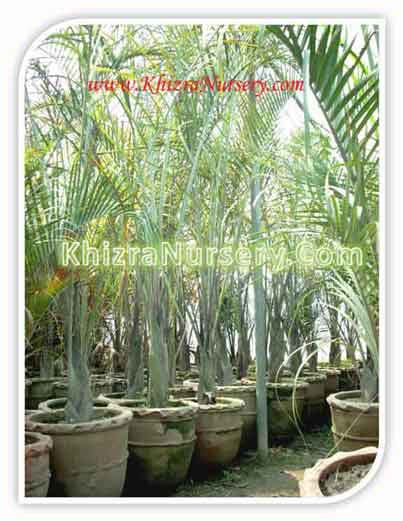
Dypsis Decaryi (Triangle Palm) Trees for Sale
Dypsis decaryi, commonly known as the Triangle Palm, is a distinctive ornamental palm recognized for its unusual triangular-shaped crown and attractive blue-green, feather-like leaves. The palm gets its common name from the characteristic arrangement of its leaf bases around the trunk, which creates a three-sided or triangular appearance.
Native to Madagascar, Dypsis decaryi is valued as a specimen palm for gardens, landscaping projects, large containers, entrances, resorts, and other warm-climate planting areas. Its unusual form makes it particularly attractive where an architectural or tropical focal plant is desired.
Dypsis Decaryi Triangle Palm Appearance
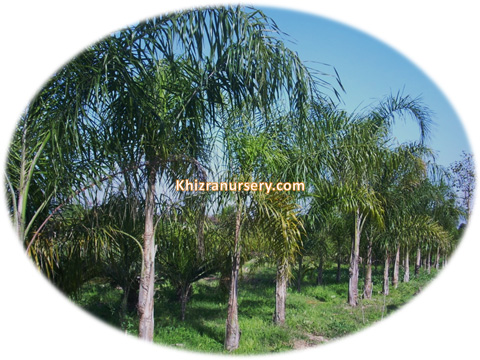
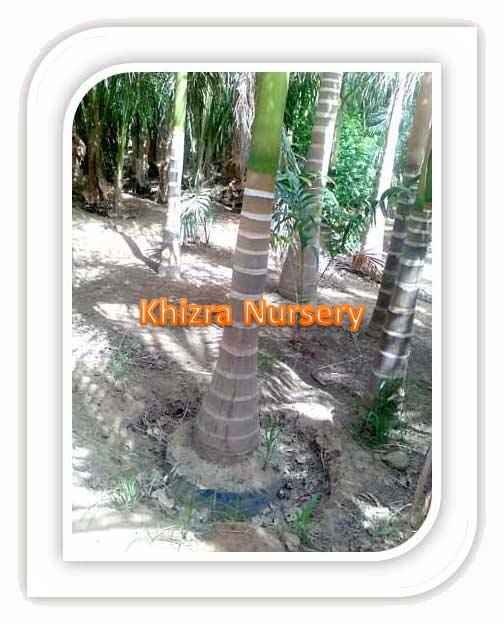
The Dypsis decaryi Triangle Palm develops a solitary, sturdy trunk with leaves arranged in three distinct rows. This arrangement gives the crown its recognizable triangular form when viewed from above or from certain angles.
The long pinnate leaves are generally blue-green to grey-green and create a broad, graceful crown. As the palm matures, the trunk becomes more prominent and the distinctive triangular structure becomes increasingly noticeable.
A full-grown Triangle Palm can become a substantial landscape specimen, so adequate space should be provided when planting larger palms.
Dypsis Decaryi Growth and Size
Triangle Palm is a moderately slow-growing ornamental palm, particularly during its early years. With suitable warmth, sunlight, water, and soil conditions, it gradually develops its characteristic trunk and crown.
Growth rate and final size vary according to climate and cultivation conditions. Young plants remain relatively compact, while mature specimens can develop a tall trunk and broad crown.
When planting a full-grown Triangle Palm, consider the eventual height and spread of the crown and provide sufficient space for the palm to develop naturally.
Dypsis Decaryi Growing Requirements
Dypsis decaryi performs best in full sun and warm conditions. Good sunlight helps maintain healthy foliage and encourages the palm to develop its characteristic form.
The plant prefers well-drained soil and should not be kept in permanently waterlogged conditions. Regular watering is useful while young and during periods of active growth, while established palms can tolerate some dry periods.
A suitable planting site should have good drainage, adequate sunlight, and enough room for the developing trunk and crown.
Dypsis Decaryi for Gardens and Landscaping
The distinctive shape of Dypsis decaryi makes it an excellent specimen palm for landscaping. It can be planted individually where its unusual crown can serve as a focal point or incorporated into larger tropical and subtropical landscape designs.
Triangle Palm can be used in:
- Residential gardens
- Large landscape beds
- Resorts and hotels
- Parks and commercial landscapes
- Entrances and driveways
- Tropical and subtropical gardens
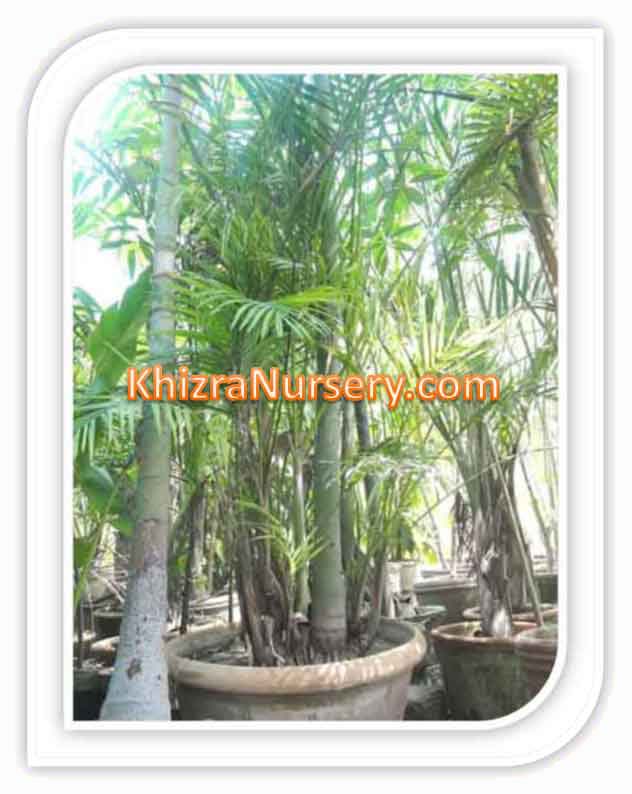
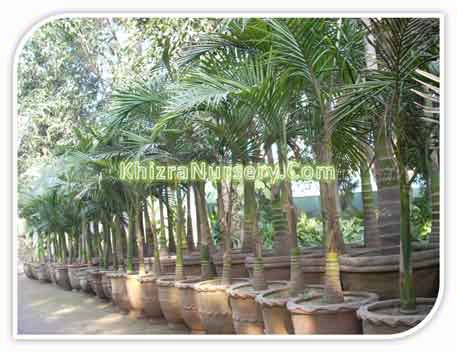
- Large containers
- Specimen plantings
Its blue-green foliage also provides contrast when planted alongside green-leaved palms, shrubs, and other ornamental plants.
Dypsis Decaryi Seedlings and Plants for Sale
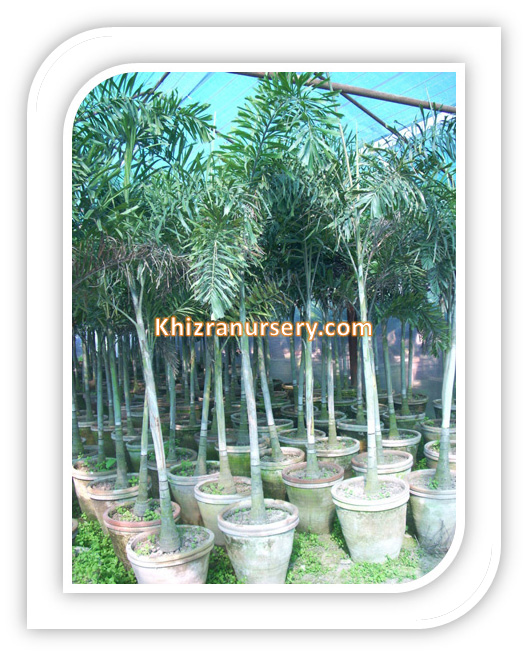
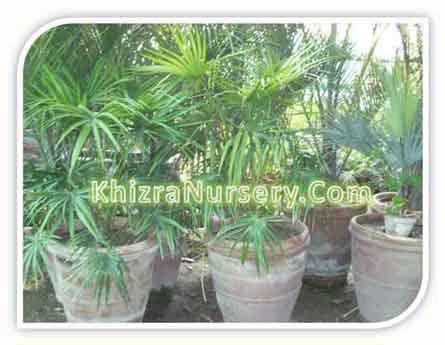
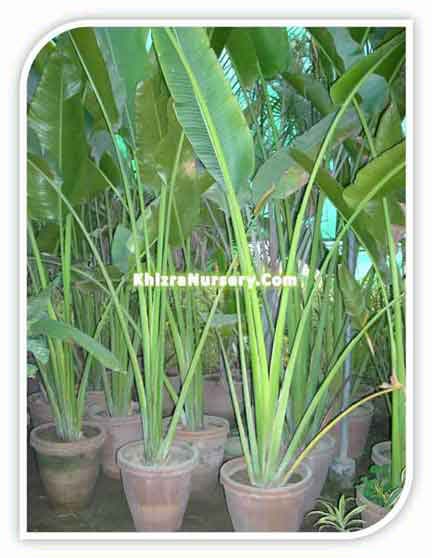
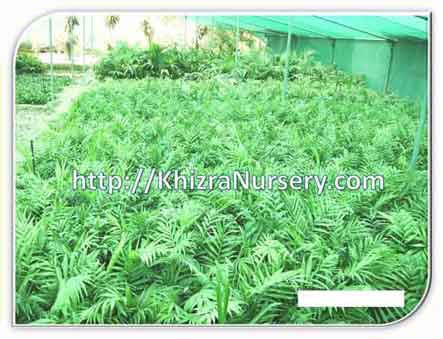
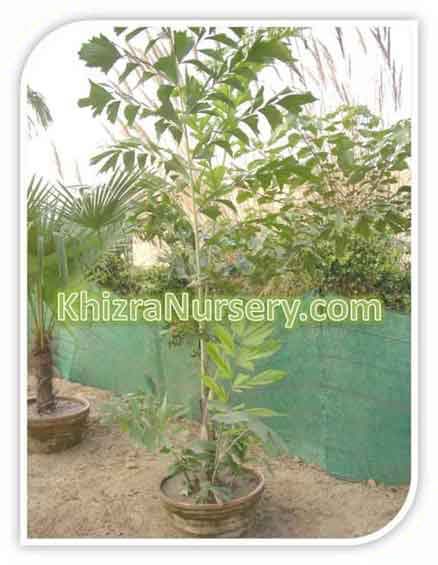
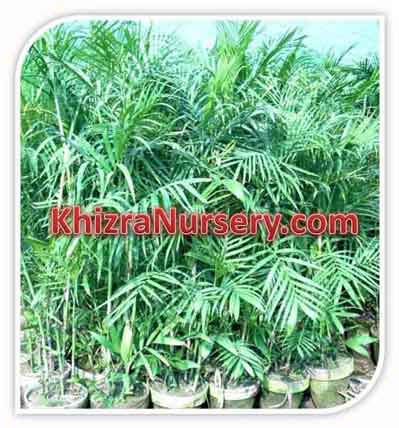
Khizra Nursery offers Dypsis decaryi seedlings, young Triangle Palm plants, and established palm trees for sale, subject to availability.
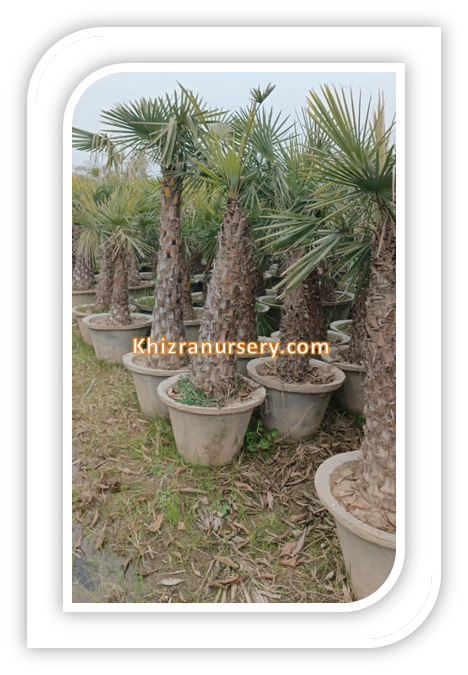
Starting with a Triangle Palm seedling allows growers to establish the species from an early stage, while young plants provide a more developed option for gardens and landscaping. Larger Triangle Palm trees are suitable for customers looking for a more established landscape specimen.
Available growth stages may include:
- Dypsis decaryi seedlings
- Young Triangle Palm plants
- Dypsis decaryi palm plants
- Triangle Palm trees
- Established Triangle Palm specimens
Plant sizes and availability may vary according to current nursery stock.
Dypsis Decaryi Propagation
Dypsis decaryi is generally propagated from seeds. Seeds should be planted in a suitable, well-drained growing medium and provided with appropriate warmth and moisture during germination.
Young seedlings require consistent care while developing their root systems. Once established, seedlings can be transplanted into larger containers and gradually grown until they reach a suitable size for landscape planting.
Growing Dypsis decaryi from seedlings requires patience because young palms take time to develop the characteristic trunk and triangular crown.
Dypsis Decaryi Care
Triangle Palm is relatively easy to maintain when grown under suitable conditions. Provide plenty of sunlight, well-drained soil, and regular watering during establishment.
Remove completely dead or damaged fronds when necessary to maintain a clean appearance. Avoid excessive pruning because healthy green leaves contribute to the palm’s growth and development.
Adequate spacing is also important, particularly for larger plants. Avoid planting the palm too close to buildings, walls, or other trees where its mature crown may become restricted.
Triangle Fan Palm
Dypsis decaryi is sometimes described as a Triangle Fan Palm because of the distinctive triangular arrangement of its leaf bases and the overall shape of its crown. However, the accepted botanical identity of the species is Dypsis decaryi, commonly known as Triangle Palm.
The unusual crown structure is one of the main reasons this palm is sought after for ornamental landscaping.
Dypsis Decaryi Palm Tree for Sale
A Dypsis decaryi palm tree can be an excellent choice for customers looking for a distinctive landscape palm rather than a conventional upright palm. Its triangular crown, blue-green foliage, and architectural form provide visual interest throughout the growing season.
Customers can choose from available seedlings, young plants, and larger palm trees according to their planting requirements and project size.
Frequently Asked Questions About Dypsis Decaryi
What is Dypsis decaryi?
Dypsis decaryi is the botanical name of the Triangle Palm, an ornamental palm native to Madagascar. It is known for its distinctive triangular crown and blue-green pinnate leaves.
Why is Dypsis decaryi called Triangle Palm?
The palm is called Triangle Palm because its leaf bases are arranged around the trunk in three distinct directions, giving the crown and trunk a characteristic triangular appearance.
How tall does a Dypsis decaryi Triangle Palm grow?
A mature Triangle Palm can become a substantial landscape palm. Its eventual height and crown spread depend on climate, soil, sunlight, water, and growing conditions.
Is Dypsis decaryi available for sale?
Yes. Dypsis decaryi seedlings, young Triangle Palm plants, and larger palm trees can be available from Khizra Nursery, depending on current stock.
Can I buy Dypsis decaryi seedlings?
Yes. Dypsis decaryi seedlings are suitable for customers who want to grow Triangle Palm from an early stage. Young and established plants may also be available.
Does Dypsis decaryi grow well in full sun?
Yes. Dypsis decaryi generally performs best in full sun with well-drained soil and suitable watering.
Is Triangle Palm suitable for landscaping?
Yes. Triangle Palm is particularly suitable as a specimen palm for gardens, resorts, parks, entrances, commercial landscapes, and other warm-climate planting projects.
What is a full-grown Triangle Palm like?
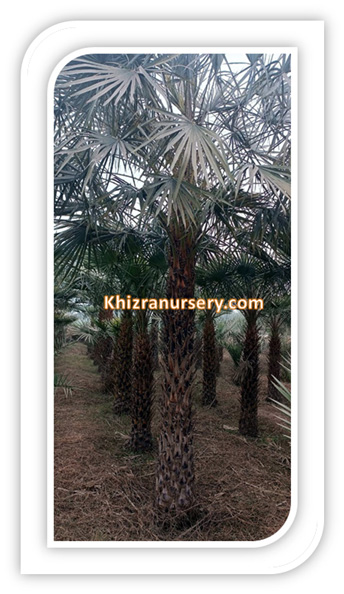
A full-grown Triangle Palm develops a prominent solitary trunk and a broad crown of blue-green pinnate leaves. Its characteristic three-sided arrangement becomes more noticeable as the palm matures.

Reviews
There are no reviews yet.