

Quercus Baloot Seeds for Sale
Quercus baloot, commonly known as the Baloot Tree, Baloot Oak, or Himalayan Oak, is a large evergreen oak native to the mountainous regions of South Asia. It is valued for its dense foliage, long-lived nature, and importance in natural forests and mountain landscapes.
Our Quercus Baloot Seeds are suitable for gardeners, nurseries, forestry projects, landscapers, and growers who want to propagate Baloot Trees from seed. The species is particularly interesting for planting in suitable cool and temperate environments where it can develop into a strong, attractive evergreen tree.
Baloot Tree Common Names
Quercus baloot is known by several common and regional names, including:
- Baloot Tree
- Baloot Oak
- Himalayan Oak
- Baloot
- Quercus baloot
- Evergreen Oak
Baloot Tree is an especially useful common name when searching for this species, while Quercus baloot is its botanical name.
About Quercus Baloot
Quercus baloot is an evergreen oak belonging to the Fagaceae family. It naturally occurs in mountainous regions and is adapted to a range of conditions associated with temperate and subtropical highland environments.
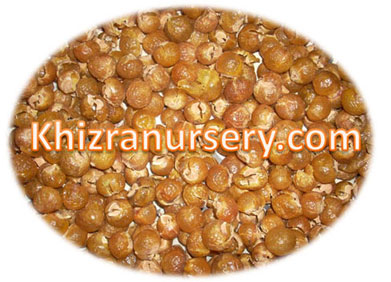
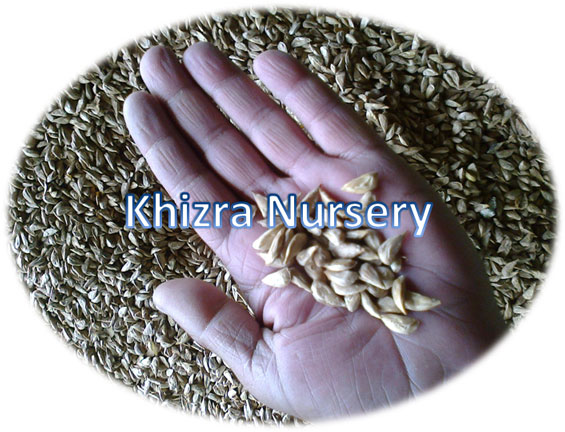
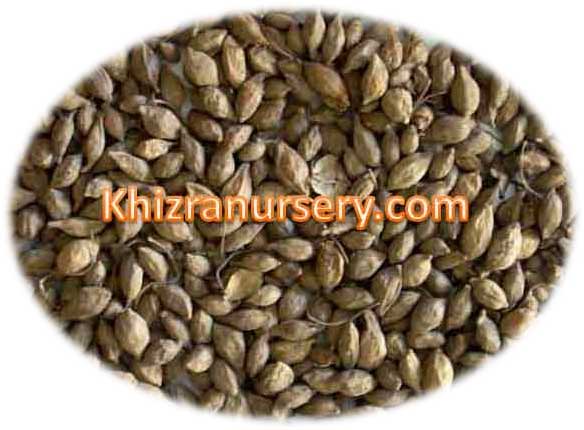
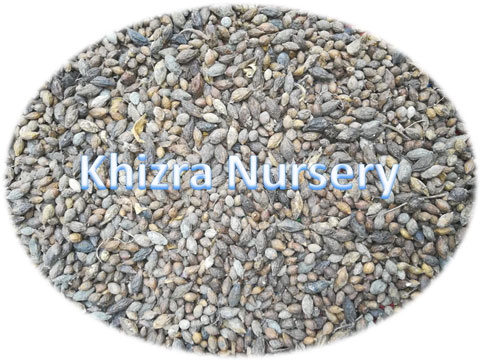
The tree develops a strong trunk and a dense crown of leathery green leaves. Like other oak species, it produces acorns, which can be collected and used for propagation.
Its evergreen character distinguishes it from many deciduous oak species and makes it valuable for landscapes where year-round foliage is desirable.
Baloot Tree Uses
The Baloot Tree has ecological, forestry, and landscape value.
Forestry and Reforestation
Quercus baloot can be used in suitable mountain and forest environments for woodland establishment and restoration projects.
Landscape Planting
In an appropriate climate, the Baloot Tree can be grown as a long-lived specimen tree in large gardens, estates, parks, and naturalistic landscapes.
Shade and Shelter
As the tree matures and develops a dense canopy, it can provide shade and contribute to shelter in suitable landscapes.
Wildlife Habitat
Oak trees play an important ecological role by providing habitat and food resources for various organisms. The acorns produced by mature trees can also be used as a food source by wildlife.
Soil and Watershed Protection
In its natural mountain environment, oak woodland contributes to soil stability, forest ecosystems, and watershed protection.
How to Grow Quercus Baloot from Seeds
Growing a Baloot Tree from seed begins with obtaining healthy, viable acorns. Oak seeds are different from many conventional dried seeds because their viability can decline when they are allowed to dry excessively.
After obtaining suitable acorns, inspect them carefully and remove damaged or unhealthy specimens. Plant viable acorns in a well-draining growing medium.
Place the acorn at a shallow to moderate depth and keep the growing medium consistently moist without making it waterlogged.
Containers should have adequate drainage. Once seedlings emerge, provide sufficient light and protect young plants from extreme heat, excessive moisture, and physical damage.
As the seedlings develop, they can be transplanted into larger containers or a suitable planting location.
Quercus Baloot Seed Germination
Successful germination depends on seed freshness, viability, temperature, moisture, and proper handling.
For better results:
- Use fresh, healthy Quercus baloot acorns.
- Remove damaged or visibly unhealthy seeds.
- Use a well-draining propagation medium.
- Plant the acorns soon after receiving them whenever possible.
- Maintain consistent moisture.
- Avoid waterlogged soil.
- Provide suitable temperatures for germination.
- Give emerging seedlings adequate light.
- Transplant young plants carefully after they become established.
Germination time can vary depending on the condition of the seed and the growing environment, so patience and consistent care are important.
Baloot Tree Growing Conditions
Quercus baloot is naturally associated with mountainous environments and is best suited to climates that provide appropriate temperatures for this species.
Choose a location with suitable sunlight and well-drained soil. Young seedlings should receive adequate water during establishment, particularly when rainfall is limited.
Once established, the tree can develop a substantial root system. Adequate space should therefore be provided when planting it permanently.
Planting Quercus Baloot
When planting a young Baloot Tree, select a location with sufficient space for future growth. Prepare a hole wider than the root system and plant the tree at approximately the same depth at which it was growing in its container.
Backfill the planting hole with suitable soil and water thoroughly after planting.
Mulching around the tree can help retain soil moisture and reduce competition from weeds, but keep mulch away from direct contact with the trunk.
Regular watering is particularly important during the establishment period.
Baloot Tree Characteristics
Quercus baloot is valued for several distinctive characteristics:
- Evergreen oak species
- Dense green foliage
- Long-lived tree
- Produces acorns
- Suitable for suitable mountain and temperate environments
- Valuable for forestry and natural landscapes
- Provides habitat and food resources for wildlife
- Suitable as a specimen tree in appropriate landscapes
The combination of evergreen foliage and oak characteristics makes the Baloot Tree an interesting species for collectors, growers, forestry enthusiasts, and landscape projects.
Quercus Baloot Seeds for Nursery Growing
Quercus Baloot Seeds can be useful for nurseries that want to produce young Baloot Trees from seed. Starting plants in containers allows growers to monitor moisture, light, temperature, and root development during the early stages.
Once seedlings become established, they can gradually be moved into larger containers before being planted in their permanent locations.
Because Quercus baloot can ultimately become a substantial tree, nursery growers should plan adequate space for developing plants.
Frequently Asked Questions About Baloot Tree
What is a Baloot Tree?
The Baloot Tree is the common name used for Quercus baloot, an evergreen oak species native to mountainous regions of South Asia. It is valued for its dense foliage, ecological importance, and use in forestry and suitable landscapes.
What is the botanical name of Baloot Tree?
The botanical name of the Baloot Tree is Quercus baloot.
Is Baloot Tree an oak?
Yes. Quercus baloot is an oak species belonging to the Fagaceae family.
Is Quercus baloot evergreen?
Yes. Quercus baloot is an evergreen oak and can retain its foliage throughout the year under suitable growing conditions.
What are Baloot Tree uses?
Baloot Tree uses include forestry, reforestation, ecological restoration, wildlife habitat, shade, and landscape planting in suitable environments.
Can Quercus baloot be grown from seeds?
Yes. Quercus baloot can be propagated from its acorns. Fresh, viable acorns and appropriate moisture and growing conditions are important for successful propagation.
How do you germinate Quercus baloot seeds?
Use healthy, viable acorns and plant them in a well-draining growing medium. Maintain consistent moisture without waterlogging and provide suitable temperatures and light for seedling development.
Where can I buy Quercus Baloot Seeds?
You can buy Quercus Baloot Seeds for Sale from Khizra Nursery. These seeds are suitable for growers, nurseries, forestry projects, landscapers, and collectors interested in propagating the Baloot Tree.
Buy Quercus Baloot Seeds
If you are looking for Quercus Baloot Seeds for Sale, Khizra Nursery provides seeds for growers interested in propagating this distinctive evergreen oak.
Also known as the Baloot Tree, Baloot Oak, and Himalayan Oak, Quercus baloot is an excellent species to consider for suitable forestry, ecological, nursery, and landscape projects.
Order Quercus Baloot Seeds from Khizra Nursery and grow your own Baloot Trees from seed.







Reviews
There are no reviews yet.