
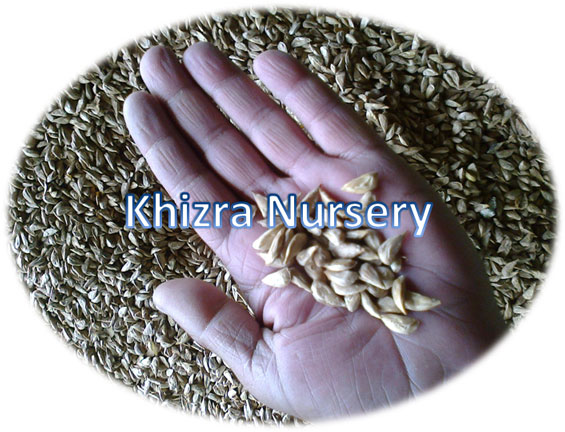
Cedrus Deodara Seeds for Sale
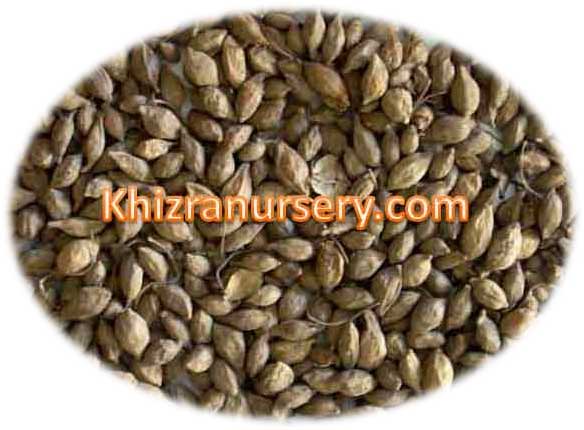
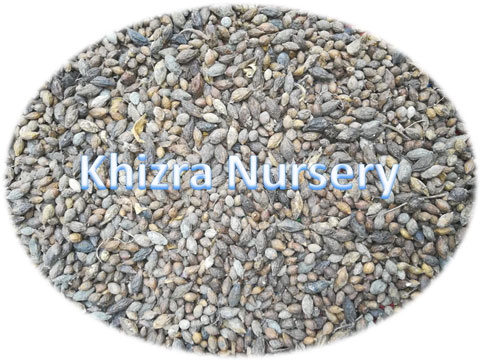
Cedrus deodara seeds, commonly known as Deodar Cedar Seeds, are used to grow the beautiful evergreen Deodar Cedar tree. Also known as Himalayan Cedar or simply Deodar, Cedrus deodara is a large conifer native to the western Himalayas, including parts of Pakistan, India, Afghanistan, and Nepal.
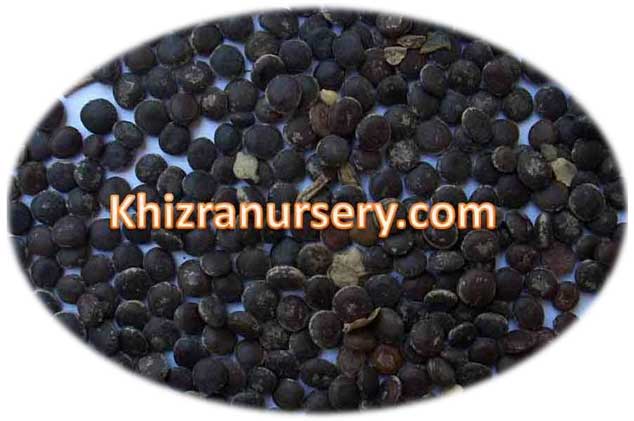
Khizra Nursery offers Cedrus deodara seeds for sale for gardeners, nurseries, landscapers, forestry projects, and growers interested in propagating Deodar Cedar trees from seed.
Deodar Cedar is valued for its evergreen foliage, distinctive conical form when young, graceful branches, and ability to become a large specimen tree under suitable growing conditions.
About Cedrus Deodara
Cedrus deodara is an accepted species in the genus Cedrus and belongs to the family Pinaceae. Its natural range extends from northeastern Afghanistan through the western Himalayas to western Nepal and northwestern India.
The species is naturally associated with temperate mountain environments. It has been cultivated beyond its native range as an ornamental and landscape tree and is particularly appreciated in areas where the climate provides suitable conditions for its growth.
The name Deodar is derived from a Sanskrit term associated with the “wood of the gods,” reflecting the tree’s long cultural association with Himalayan landscapes.
Deodar Cedar Tree
The Deodar Cedar develops into a large evergreen conifer with a strong central trunk and spreading branches. Young trees commonly have a pyramidal or conical appearance, while mature specimens can develop a broader and more irregular crown.
Its foliage consists of clusters of short, needle-like leaves. The branches often have a graceful, somewhat drooping appearance, giving mature Deodar Cedar trees a distinctive landscape character.
Because it can become a large tree, adequate space should be provided when planting Cedrus deodara in gardens, parks, estates, or other landscape settings.
Growing Cedrus Deodara from Seeds
Growing Deodar Cedar from seeds is a useful propagation method for nurseries and growers who want to produce their own seedlings.
Start seeds in a clean, well-draining growing medium. Seeds should not be buried deeply. Keep the medium evenly moist while avoiding standing water.
Provide suitable temperatures and good air circulation during germination. Once seedlings emerge, provide adequate light and gradually establish them in a location suitable for young conifer growth.
The exact germination period can vary according to seed freshness, seed source, moisture, temperature, and pretreatment.
How to Germinate Deodar Cedar Seeds
Fresh, properly stored seed generally provides the best starting material for propagation.
A practical approach for Cedrus deodara seed germination is:
- Inspect the seeds and remove damaged or visibly poor-quality seeds.
- Soak the seeds in clean water before sowing if required.
- For seeds that benefit from pretreatment, use a short period of moist cold stratification.
- Place seeds in a moist, well-draining propagation medium.
- Sow the seeds shallowly and cover them lightly.
- Keep the medium consistently moist but not saturated.
- Place the seed container in a cool-to-moderate environment suitable for germination.
- Once seedlings emerge, provide adequate light and ventilation.
- Transplant carefully after the seedlings have become established.
Forestry guidance specifically covering conifers from Afghanistan lists Cedrus deodara with a 0–14 day stratification period, indicating that a short stratification treatment may be appropriate rather than assuming the lengthy treatments required by some other conifer species.
Because germination can vary between seed lots and conditions, growers should avoid treating a single stratification schedule as universally required.
Planting Deodar Cedar Seedlings
Once young Cedrus deodara seedlings are sufficiently established, they can be moved into individual containers or a suitable nursery bed.
Handle seedlings carefully during transplanting and avoid unnecessary disturbance of the developing root system.
Choose a planting location with adequate space for the mature tree. Deodar Cedar is not a small ornamental plant, and its eventual size should be considered when selecting a permanent location.
Soil Requirements
Deodar Cedar performs best in well-drained soil with adequate fertility and good root aeration.
Avoid locations where water remains around the roots for prolonged periods. Heavy, poorly drained soil can create unfavorable conditions for root development.
Before planting on a large scale, growers should consider the local soil characteristics and drainage conditions.
Sunlight
Cedrus deodara generally performs best in a sunny location with good exposure to natural light.
Young seedlings can require protection from extreme environmental conditions while becoming established. Once established, plants should receive sufficient light to support healthy growth and development.
Watering
Provide regular moisture during establishment, particularly during periods of dry weather.
The objective is to maintain adequate soil moisture without creating prolonged waterlogging. Established trees may tolerate periods of reduced moisture better than young seedlings, but irrigation requirements depend on climate, soil, tree age, and local conditions.
Temperature and Climate
Cedrus deodara is naturally associated with temperate Himalayan environments. Its native range includes mountainous regions of Pakistan, Afghanistan, India, and Nepal.
This makes climate selection particularly important when growing Deodar Cedar outside its natural range.
Areas with suitable winter conditions and moderate summers are generally more appropriate than locations with prolonged extreme heat.
Young plants should receive additional protection where temperatures or environmental conditions are unsuitable for their establishment.
Growth and Mature Size
Deodar Cedar is a large evergreen conifer capable of developing into a substantial landscape tree.
Its growth rate and ultimate size vary according to climate, soil, water availability, growing space, and management.
For this reason, Cedrus deodara should be planted where there is sufficient room for the tree to develop its trunk, branches, and root system.
Uses of Deodar Cedar
Deodar Cedar is valued for several purposes, including:
- Ornamental planting
- Landscape design
- Parks and large gardens
- Estates and institutional landscapes
- Forestry and tree-growing projects
- Specimen tree planting
- Large-scale landscape projects
Its evergreen foliage and distinctive form make it an attractive choice for landscapes where a large conifer is appropriate.
Deodar Cedar in Landscaping
A mature Deodar Cedar can become an important focal point in a large landscape.
Its evergreen foliage provides year-round structure, while the naturally graceful branching pattern gives the tree a distinctive appearance.
Because the species can become large, it is better suited to spacious gardens, parks, estates, campuses, and other landscapes with sufficient room for mature tree development.
Cedrus Deodara Seeds for Nurseries
Cedrus deodara seeds can be used by nurseries to produce Deodar Cedar seedlings for landscaping and tree-growing projects.
Starting trees from seed allows growers to establish plants from an early stage and develop them under local nursery conditions before transplanting them to their final growing locations.
For nursery production, use a clean propagation medium, provide appropriate moisture, and protect young seedlings from severe environmental stress.
Deodar Cedar Seeds for Sale in Bulk
Khizra Nursery offers Deodar Cedar Seeds for Sale for customers interested in growing Cedrus deodara from seed.
Bulk quantities can be suitable for:
- Plant nurseries
- Landscaping companies
- Forestry projects
- Commercial growers
- Tree-growing projects
- Wholesale buyers
- Large planting programs
For larger requirements, customers can contact Khizra Nursery with the required quantity and destination.
Why Buy Cedrus Deodara Seeds from Khizra Nursery?
Khizra Nursery supplies a range of tree, flowering tree, palm, grass, and other plant seeds for growers and nurseries.
Our Cedrus deodara seeds are offered for growers interested in propagating Deodar Cedar trees for gardens, landscapes, nurseries, and larger planting projects.
We also supply seeds internationally, subject to destination-country import regulations and applicable phytosanitary requirements.
Cedrus Deodara Botanical Details
| Botanical Detail | Information |
|---|---|
| Botanical Name | Cedrus deodara |
| Family | Pinaceae |
| Genus | Cedrus |
| Species | Cedrus deodara |
| Common Name | Deodar |
| Other Common Names | Deodar Cedar, Himalayan Cedar, Indian Cedar |
| Plant Type | Evergreen Conifer |
| Growth Habit | Large Evergreen Tree |
| Foliage | Needle-like, Evergreen |
| Propagation | Seeds |
| Native Range | Western Himalayas and adjoining regions |
| Climate | Temperate / Mountain |
Kew lists Deodar, Himalayan Cedar, and Indian Cedar among the common names associated with Cedrus deodara and confirms its native distribution across the western Himalayan region.
Frequently Asked Questions About Deodar Cedar Seeds
What are Cedrus deodara seeds?
Cedrus deodara seeds are the seeds used to propagate the Deodar Cedar, a large evergreen conifer native to the western Himalayas.
What is the common name of Cedrus deodara?
The most common name is Deodar or Deodar Cedar. It is also known as Himalayan Cedar and Indian Cedar.
Can Cedrus deodara be grown from seed?
Yes. Cedrus deodara can be propagated from seed. Proper seed handling, suitable growing media, moisture, temperature, and appropriate pretreatment can help support germination.
How do you germinate Deodar Cedar Seeds?
Sow the seeds in a well-draining medium and maintain consistent moisture without waterlogging. Depending on seed condition and propagation conditions, a short moist-cold stratification period may be used before sowing. Forestry guidance for Afghan conifers lists 0–14 days of stratification for Cedrus deodara.
Does Cedrus deodara need stratification?
Some seed lots may benefit from stratification, but a long stratification period should not automatically be assumed for this species. Published guidance specifically lists a relatively short 0–14 day period for Cedrus deodara.
Where is Cedrus deodara native?
Cedrus deodara is native to the western Himalayan region, with its native range extending from northeastern Afghanistan through Pakistan, northern India, and Nepal.
Is Deodar Cedar an evergreen tree?
Yes. Cedrus deodara is an evergreen conifer that retains its needle-like foliage throughout the year.
How large does a Deodar Cedar become?
Deodar Cedar is a large tree and can eventually require substantial growing space. Its mature size varies according to climate, soil, water availability, and growing conditions.
Are Deodar Cedar Seeds available for wholesale?
Yes. Khizra Nursery supplies Cedrus deodara seeds for nursery, landscaping, forestry, commercial, and wholesale requirements. Contact us for larger quantities and shipping information.
Order Cedrus Deodara Seeds
Buy Cedrus deodara seeds for sale from Khizra Nursery to grow Deodar Cedar trees from seed.
Whether you are a home gardener, nursery, landscaper, forestry professional, or wholesale buyer, Deodar Cedar Seeds can be a useful starting point for producing this distinctive Himalayan evergreen conifer.
Contact Khizra Nursery for larger quantities, wholesale requirements, and international shipping information.






Reviews
There are no reviews yet.